



Passover, known in Hebrew as Pesach, is one of the most beloved and widely observed holidays in the Jewish calendar. It celebrates the Exodus of the Israelites from slavery in Egypt and their journey to freedom. For eight days (seven in Israel), Jewish families around the world gather to retell this ancient story, share festive meals, and pass their heritage on to the next generation. This guide explains the meaning of Passover, the traditions of the Seder, and the customs that make this holiday so special.
What Is Passover and Why Is It Celebrated?
Passover commemorates the biblical story of the Exodus, when God freed the Israelites from centuries of slavery in Egypt. According to tradition, the holiday’s name comes from the final plague, when the Angel of Death “passed over” the homes of the Israelites. Passover is ultimately a celebration of freedom, faith, and redemption, and it remains one of the most important expressions of Jewish identity and memory.
When Is Passover Celebrated?
Passover falls in the Hebrew month of Nisan, usually in March or April. It begins on the 15th of Nisan and lasts eight days in the Diaspora and seven days in Israel. Because the Jewish calendar is lunar, the exact dates shift each year on the standard Gregorian calendar.
The Passover Seder
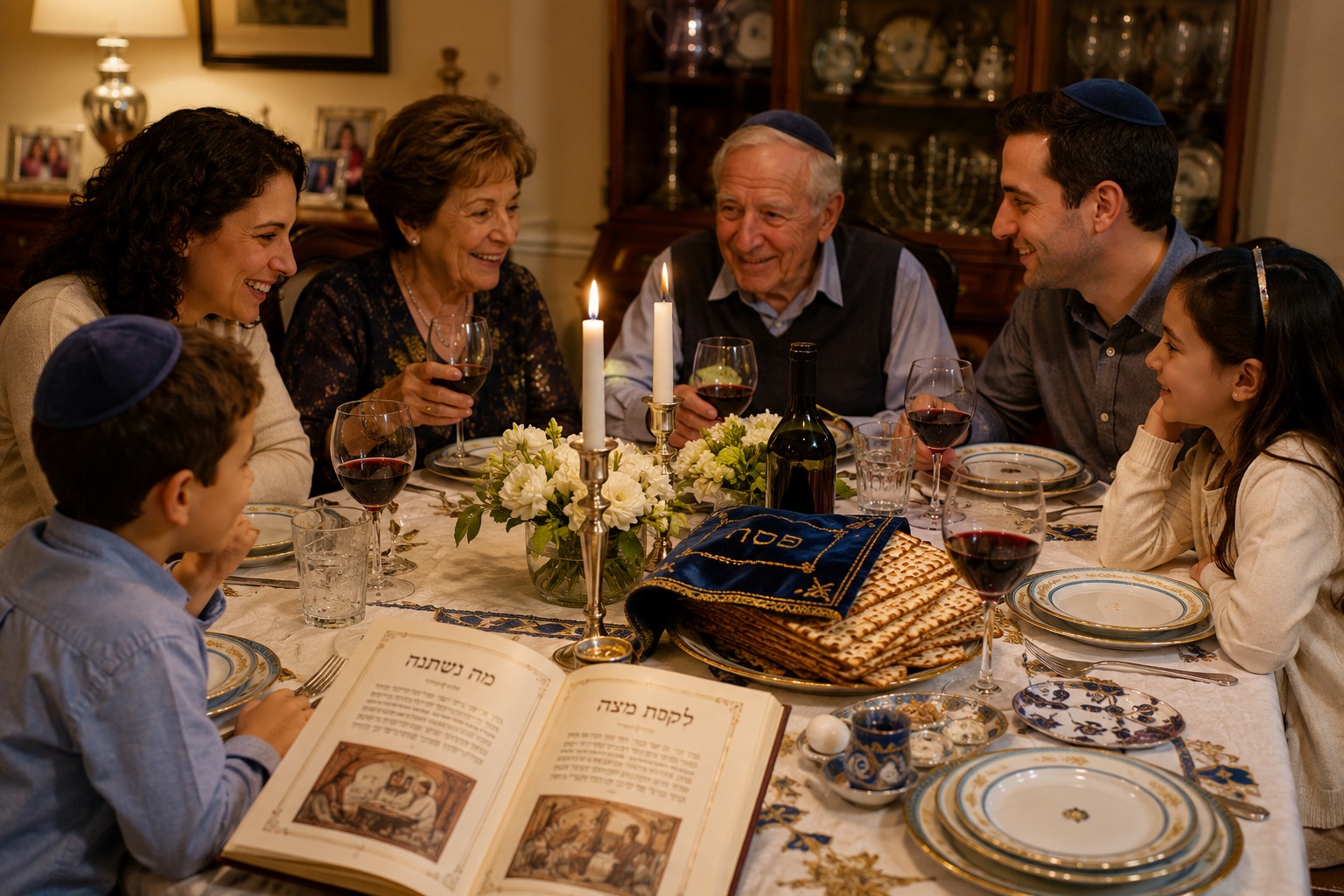
The highlight of Passover is the Seder, a ceremonial meal held on the first one or two nights of the holiday. The word “Seder” means “order,” because the evening follows a specific sequence of fifteen steps. Families read from a book called the Haggadah, which tells the story of the Exodus through readings, blessings, songs, and symbolic foods. The Seder is designed to engage everyone, especially children, who traditionally ask the Four Questions.
The Seder Plate and Its Symbols
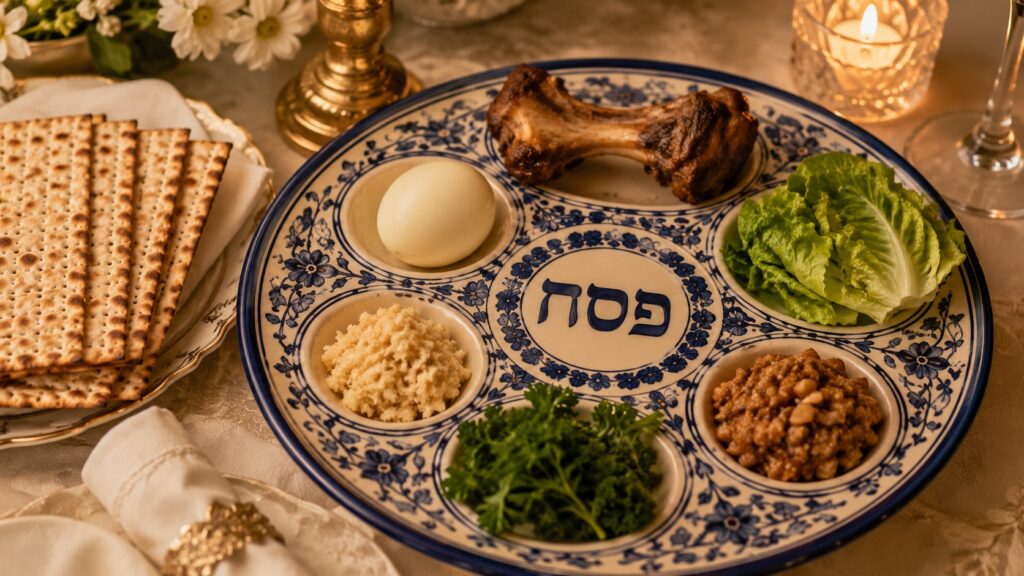
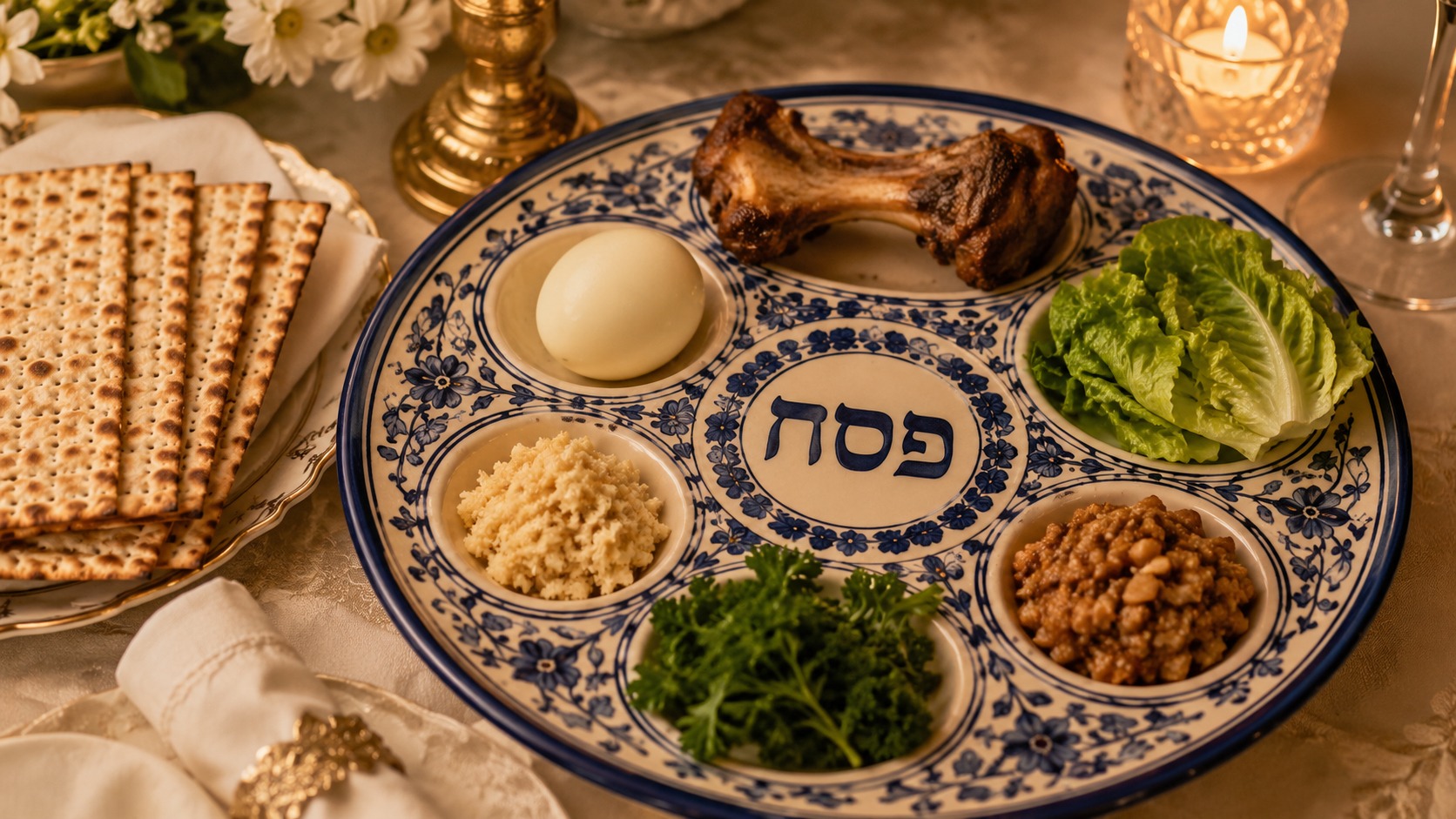
At the center of the Seder table sits the Seder plate, holding symbolic foods that each represent part of the Passover story:
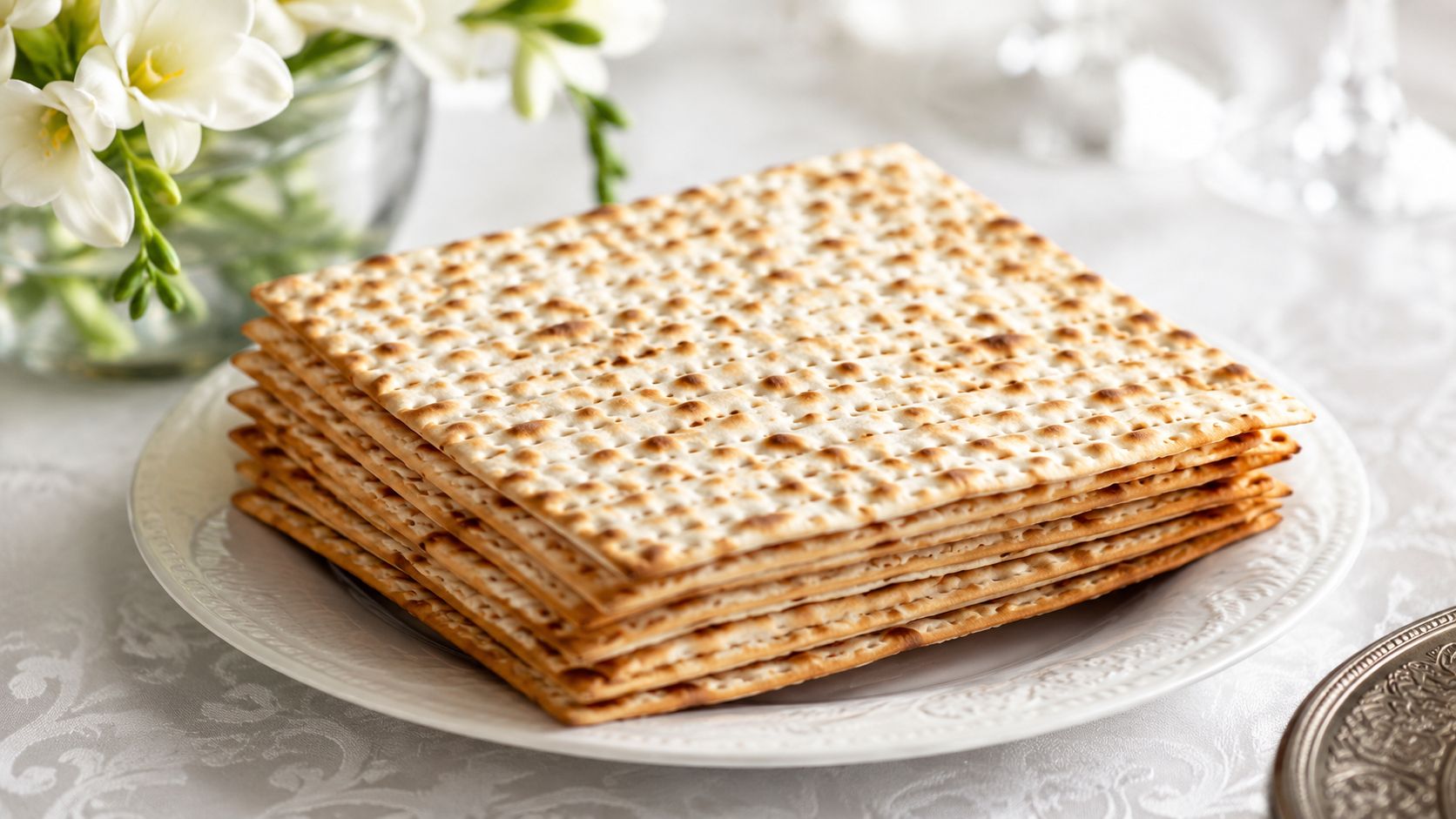
Matzah
Unleavened bread, recalling the haste of the Israelites who had no time to let their bread rise.
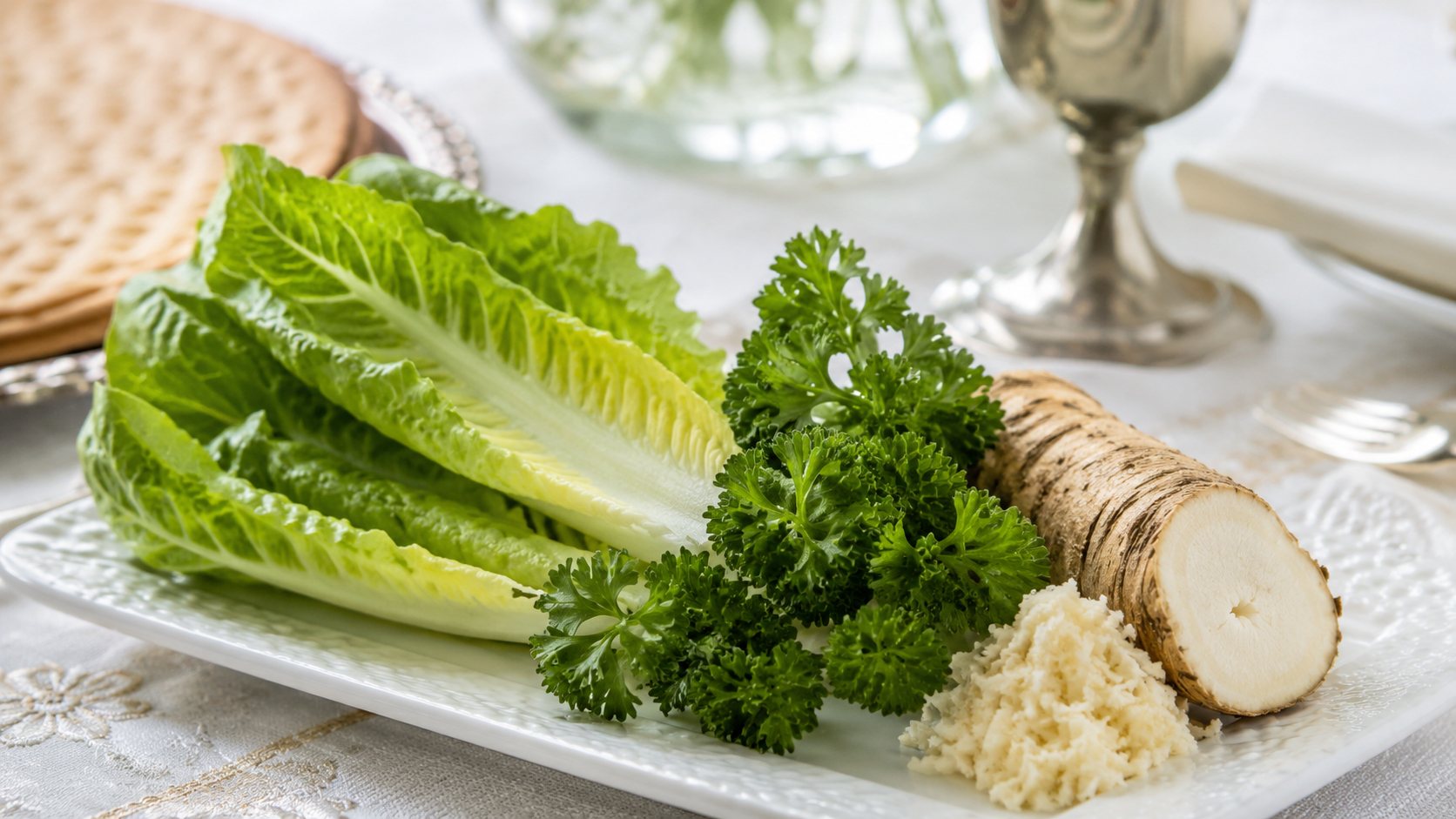
Maror
Bitter herbs, symbolizing the bitterness of slavery.
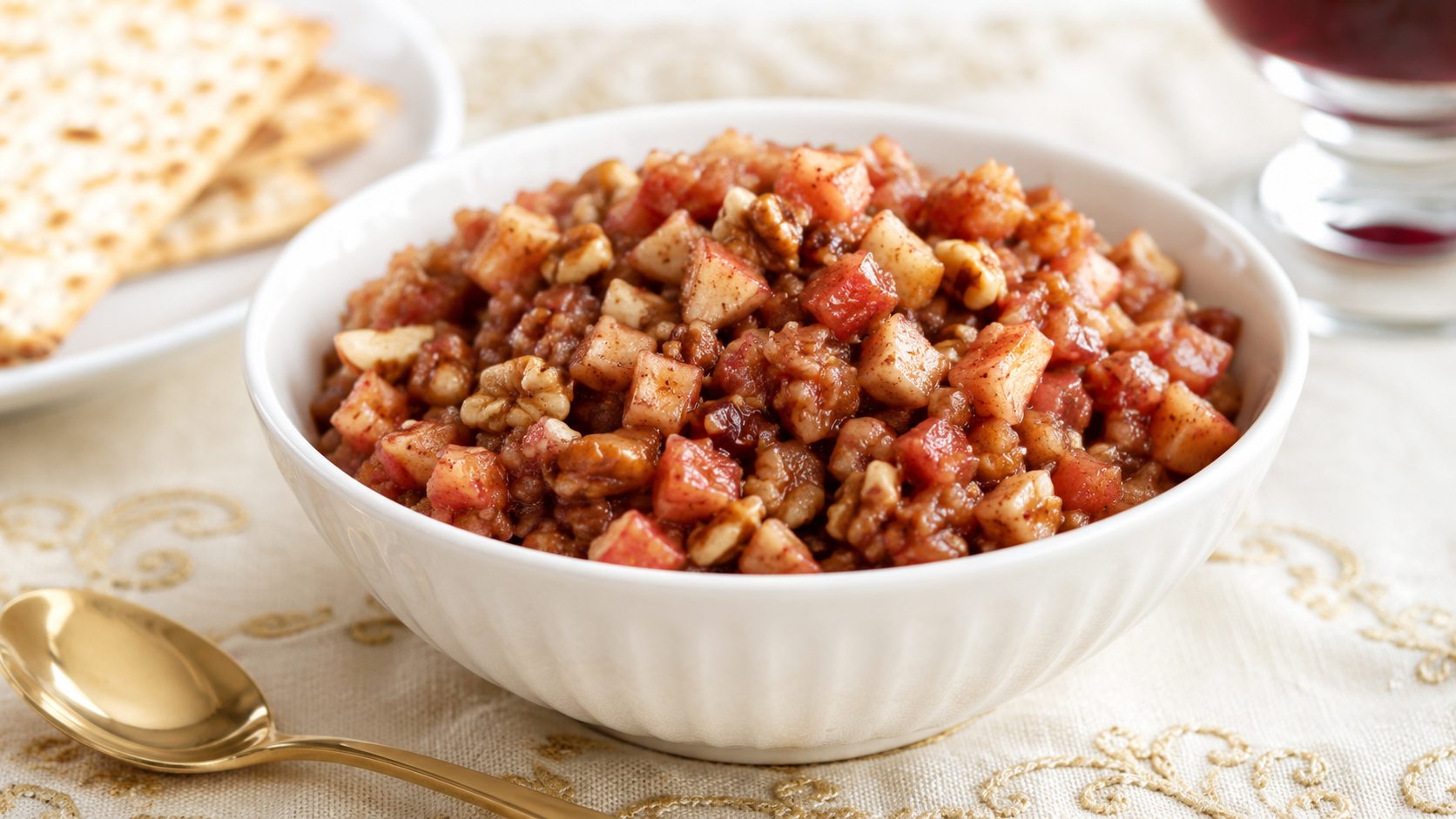
Charoset
A sweet mixture of fruit and nuts, representing the mortar used by the slaves.
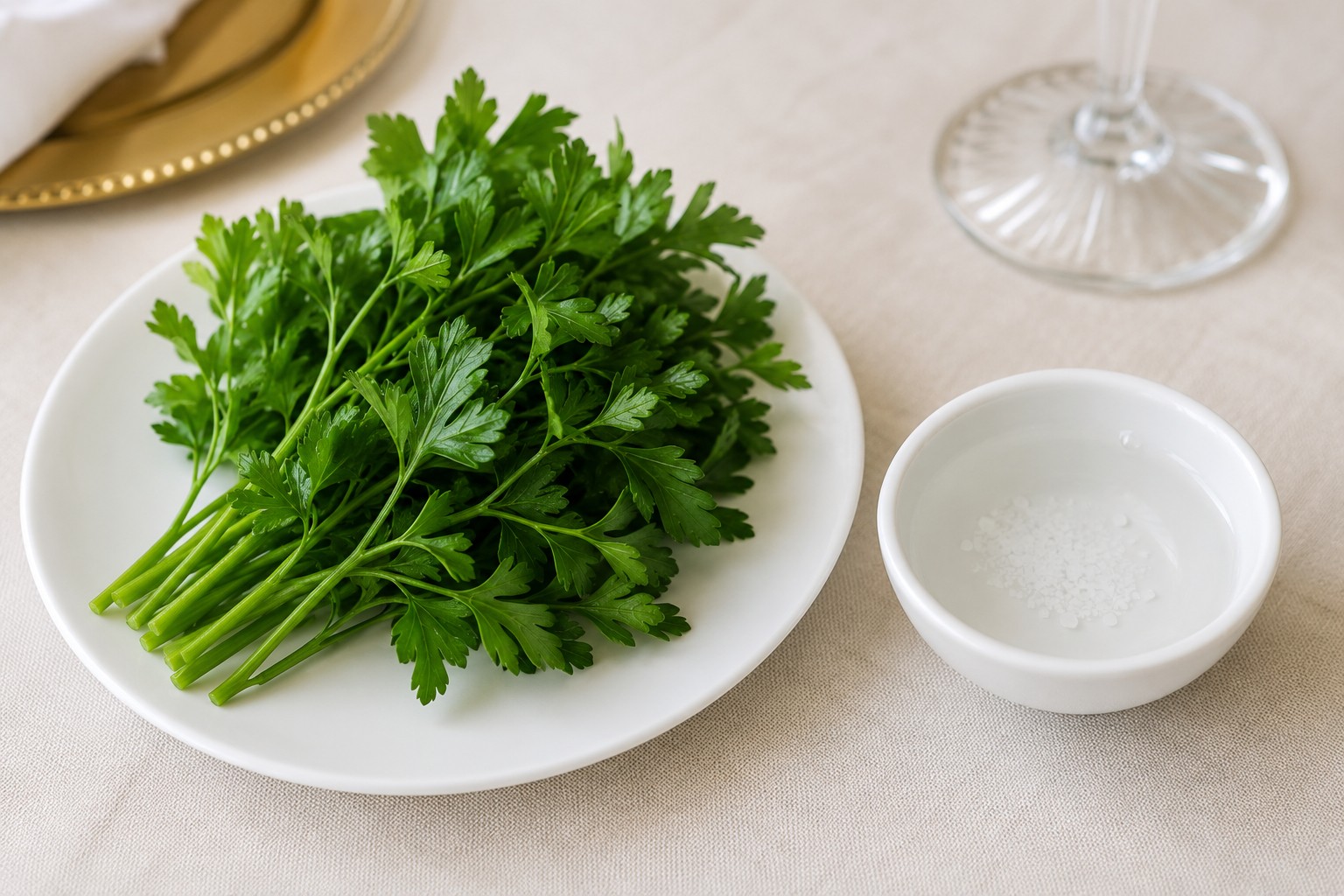
Karpas
A green vegetable dipped in salt water, symbolizing spring and the tears of the enslaved.
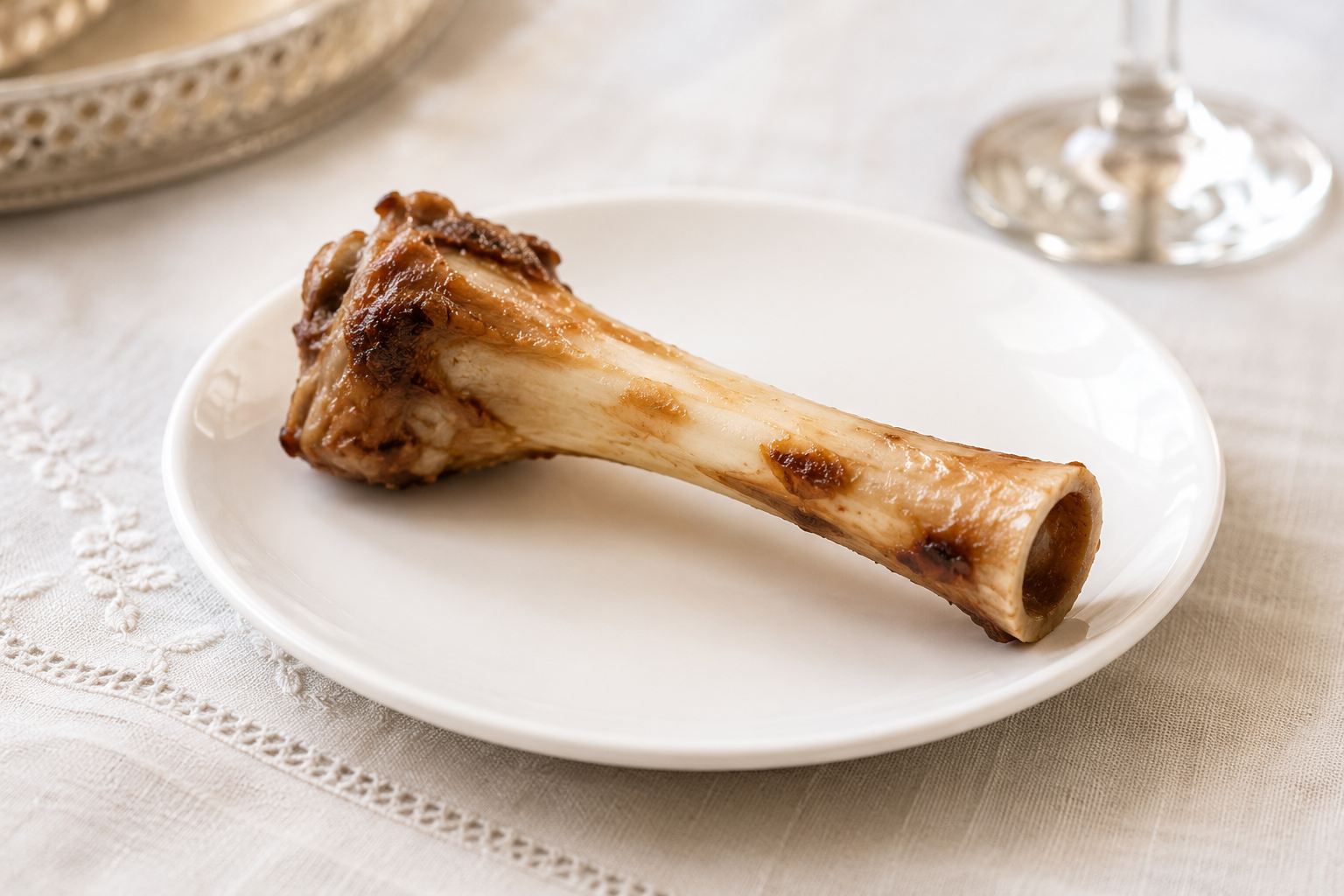
Zeroa
A roasted shank bone, recalling the Passover sacrifice.
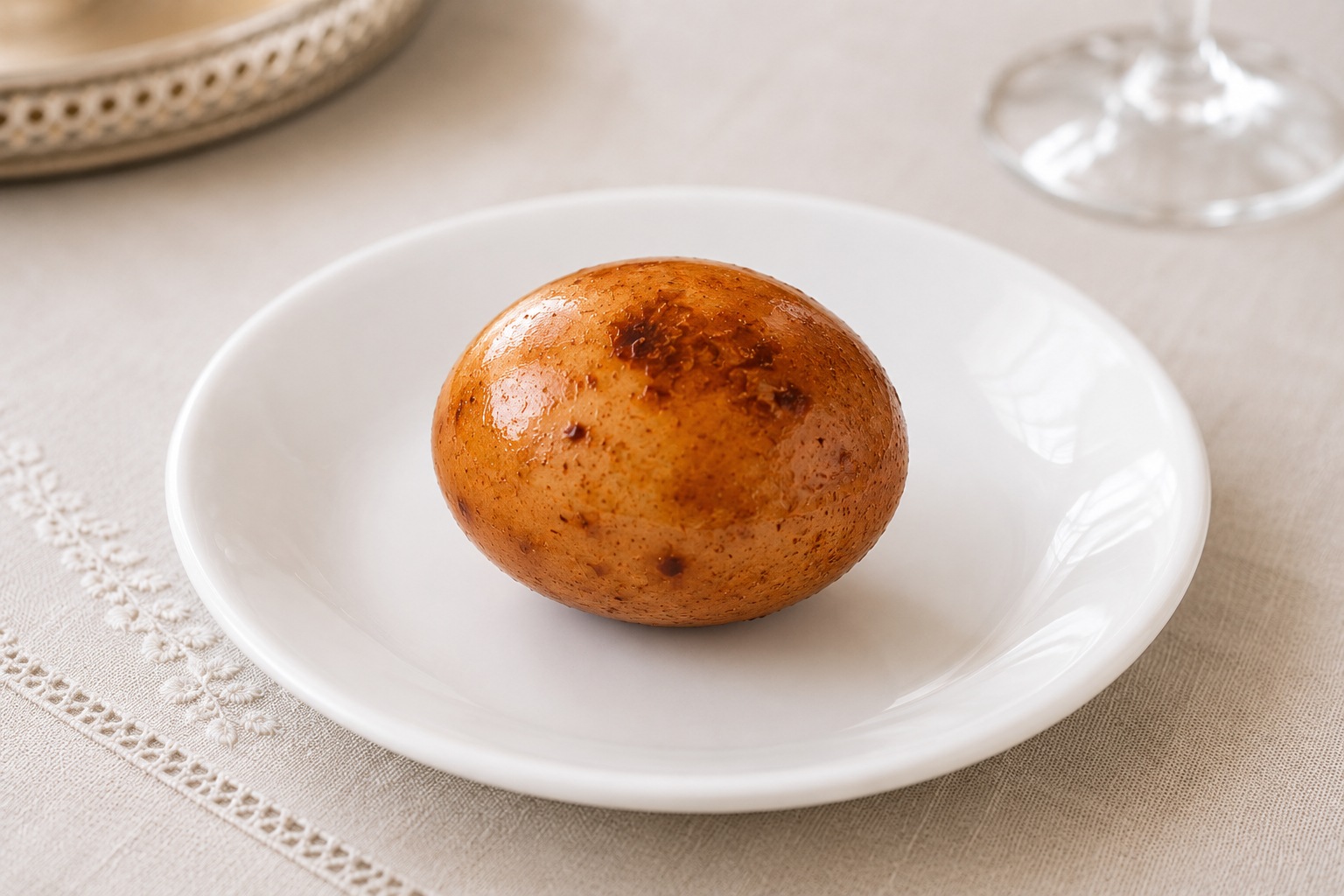
Beitzah
A roasted egg, symbolizing renewal and the cycle of life.
Passover Traditions and Customs
Beyond the Seder, Passover is filled with meaningful customs. Families remove all leavened bread, known as chametz, from their homes and eat matzah throughout the holiday. Many search the home for chametz the night before, drink four cups of wine during the Seder, and open the door for the prophet Elijah. These traditions connect each generation to the same story of freedom.
Meaningful Passover Gifts
Passover is a wonderful occasion to give thoughtful gifts to hosts and loved ones. Meaningful ideas include:
- A Seder plate: A beautiful centerpiece for the Passover table.
- An elegant Kiddush cup: Perfect for the four cups of wine, like this Sterling Silver Kiddush Cup Pendant.
- A matzah cover or plate: A practical and decorative gift for the holiday.
- Jewish jewelry: A meaningful pendant or bracelet celebrating faith and freedom year-round. See our guide to Jewish holidays and their traditions for more gift ideas.
Frequently Asked Questions About Passover
What is the meaning of Passover?
Passover celebrates the Exodus of the Israelites from slavery in Egypt to freedom. It is a holiday of freedom, faith, and redemption, observed with the Seder meal and the retelling of the Exodus story.
What is a Seder?
A Seder is the ceremonial meal held on the first night or two of Passover. It follows fifteen ordered steps and uses the Haggadah to retell the story of the Exodus through readings, songs, and symbolic foods.
Why do Jews eat matzah on Passover?
Matzah is unleavened bread that recalls how the Israelites left Egypt in such haste that their bread had no time to rise. Eating matzah instead of leavened bread is a central Passover custom.
How long does Passover last?
Passover lasts eight days in the Diaspora and seven days in Israel. It begins on the 15th of the Hebrew month of Nisan, usually in March or April.
What are the Four Questions?
The Four Questions, traditionally asked by the youngest child at the Seder, ask why this night is different from all other nights. They open the retelling of the Exodus story and highlight the unique customs of Passover.