



Hanukkah, often called the Festival of Lights, is one of the most joyful and widely celebrated holidays in the Jewish calendar. For eight nights, families gather to light the menorah, exchange gifts, play traditional games, and enjoy foods fried in oil. Behind the warmth and celebration lies a powerful story of faith, resilience, and the triumph of light over darkness. This complete guide explores the meaning of Hanukkah, its history, the traditions that make it special, and thoughtful gift ideas to help you celebrate the holiday in a meaningful way.
What Is Hanukkah?
Hanukkah is an eight-day Jewish festival that commemorates the rededication of the Second Temple in Jerusalem during the second century BCE. The word “Hanukkah” itself means “dedication” in Hebrew. Although it is one of the most recognized Jewish holidays around the world, it is not one of the biblical festivals commanded in the Torah. Instead, its importance grew over the centuries as a celebration of religious freedom and Jewish identity. At its heart, Hanukkah is a reminder that even a small amount of light can push away a great deal of darkness.
The History and Story Behind Hanukkah
The story of Hanukkah takes place during a time when the land of Judea was ruled by the Seleucid Empire under King Antiochus IV. He outlawed Jewish practice and desecrated the Holy Temple in Jerusalem, turning it into a place of foreign worship. In response, a small group of Jewish fighters known as the Maccabees, led by Judah Maccabee, rose up against the far larger and better-equipped army. Against all odds, they succeeded in reclaiming Jerusalem and the Temple.
According to tradition, when the Maccabees rededicated the Temple, they found only a single small jar of pure olive oil to light the menorah, enough for just one day. Miraculously, that oil burned for eight days, giving them enough time to prepare a new supply. This “miracle of the oil” is why Hanukkah is celebrated for eight nights and why oil-based foods and the lighting of lamps are so central to the holiday.
When Is Hanukkah Celebrated?
Hanukkah begins on the 25th day of the Hebrew month of Kislev and lasts for eight nights. On the standard Gregorian calendar, this usually falls sometime between late November and late December, though the exact dates shift each year because the Jewish calendar is lunar. This timing often places Hanukkah near the winter solstice, adding to its meaning as a festival of light during the darkest time of year.
The Menorah and Lighting the Candles
The most iconic symbol of Hanukkah is the menorah, more precisely called a hanukkiah. It holds nine candles: one for each of the eight nights, plus a helper candle called the shamash, which is used to light the others. Each evening, families gather to add one more candle, beginning with a single flame on the first night and building to a full, glowing menorah by the eighth.
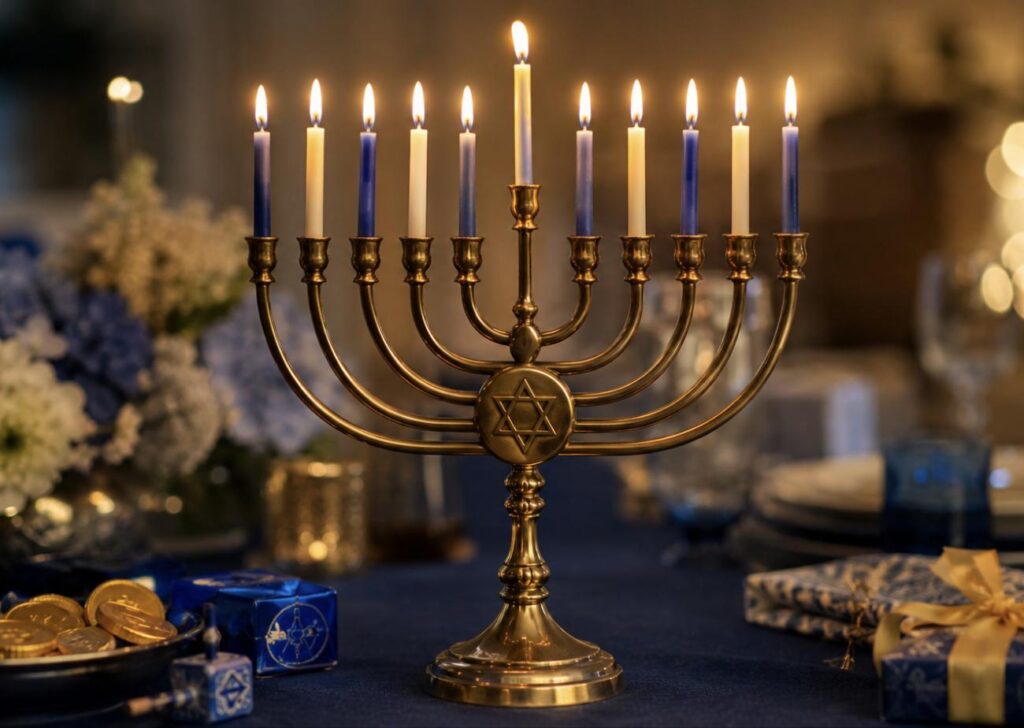
The candles are placed in the menorah from right to left but lit from left to right, so that the newest candle is kindled first. As the candles are lit, blessings are recited, thanking God for the miracles of the season. The menorah is traditionally placed in a window or doorway so that its light can be seen publicly, sharing the message of the holiday with the wider world.
Hanukkah Traditions and Customs
Beyond lighting the menorah, Hanukkah is filled with beloved customs that bring families together. These traditions blend joy, gratitude, and remembrance into eight nights of celebration:
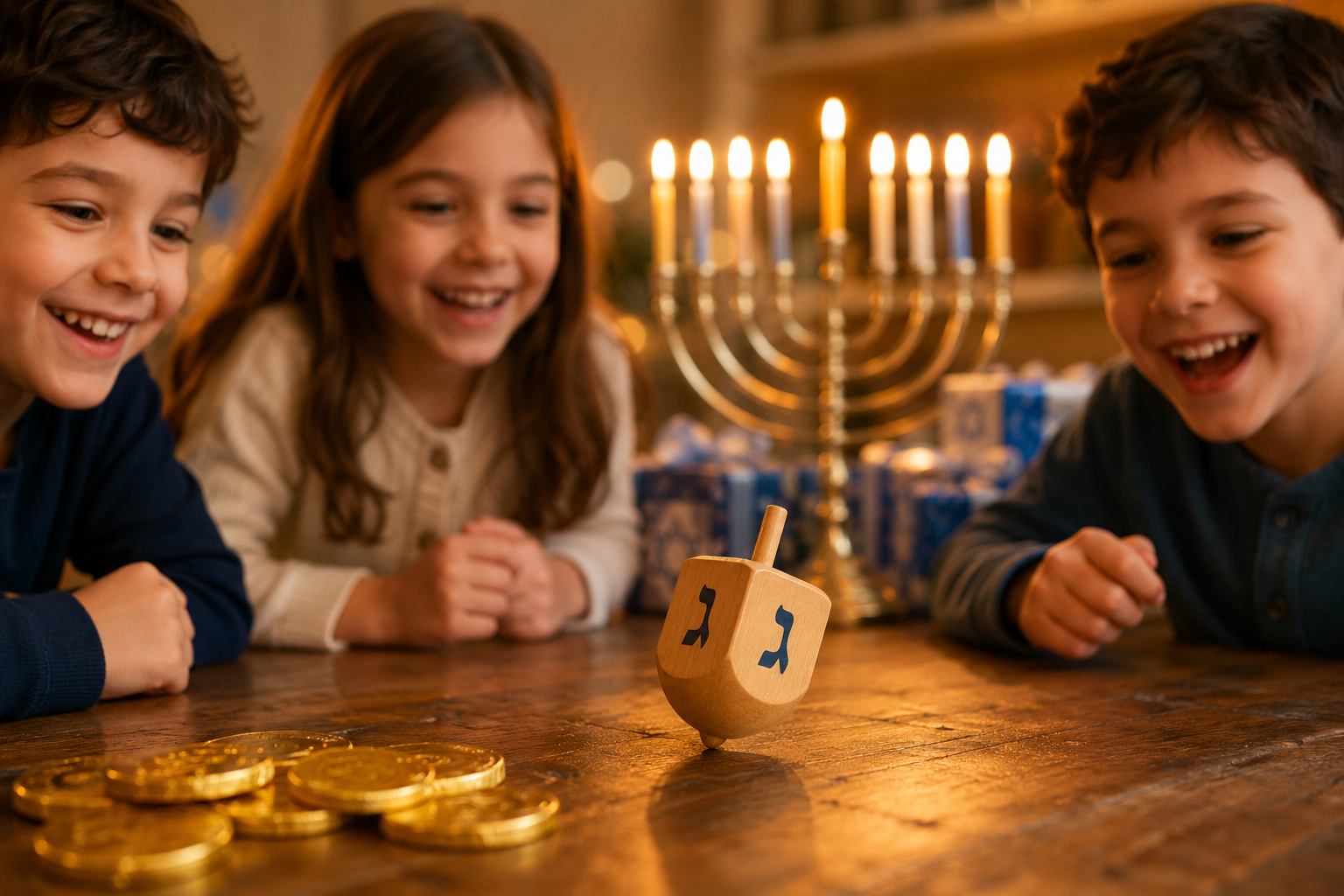
Playing Dreidel
A spinning top game marked with four Hebrew letters that stand for the phrase “a great miracle happened there.”
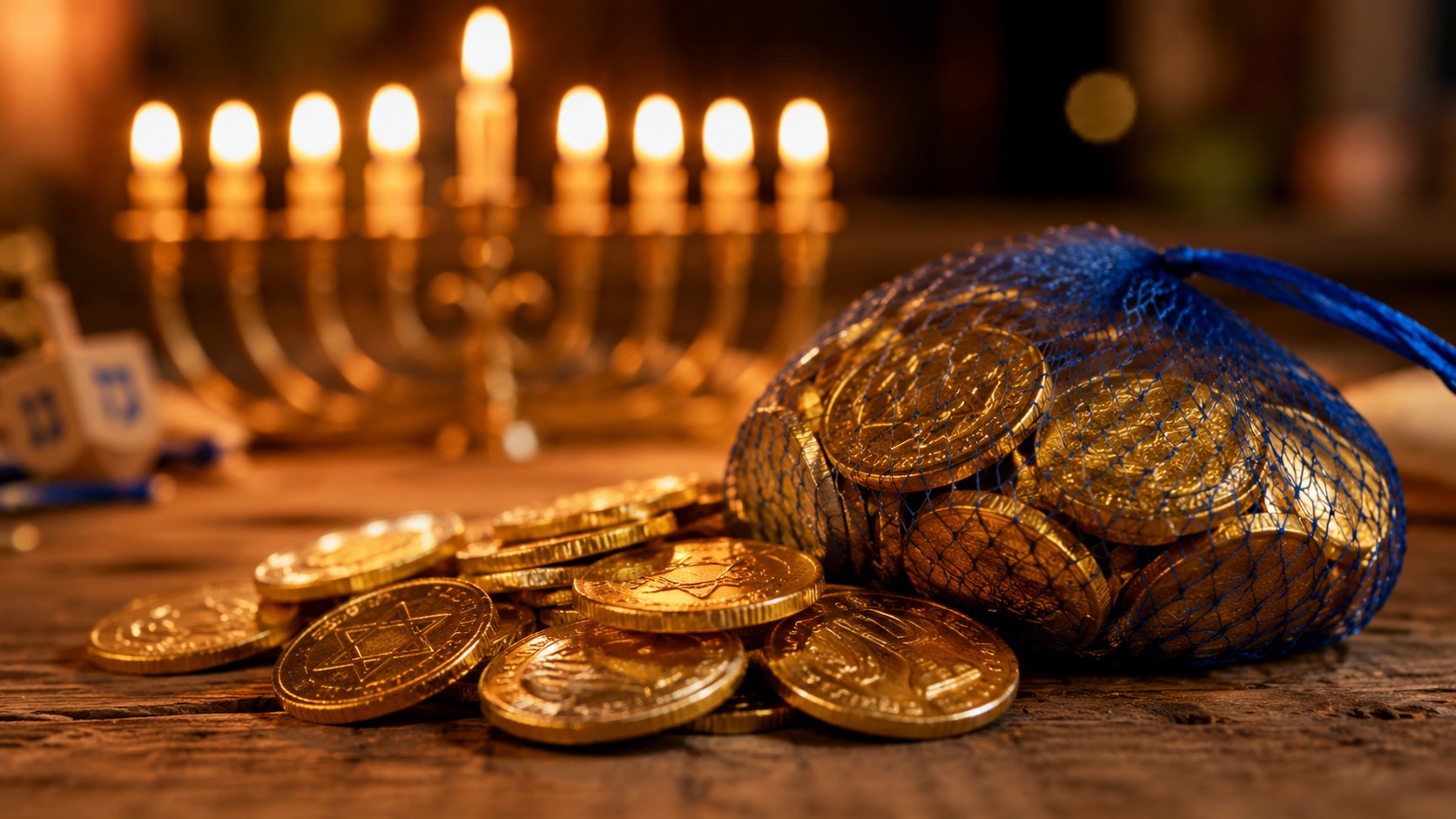
Giving Hanukkah Gelt
Coins, often chocolate ones wrapped in gold foil, given to children as a festive treat.
Singing Songs
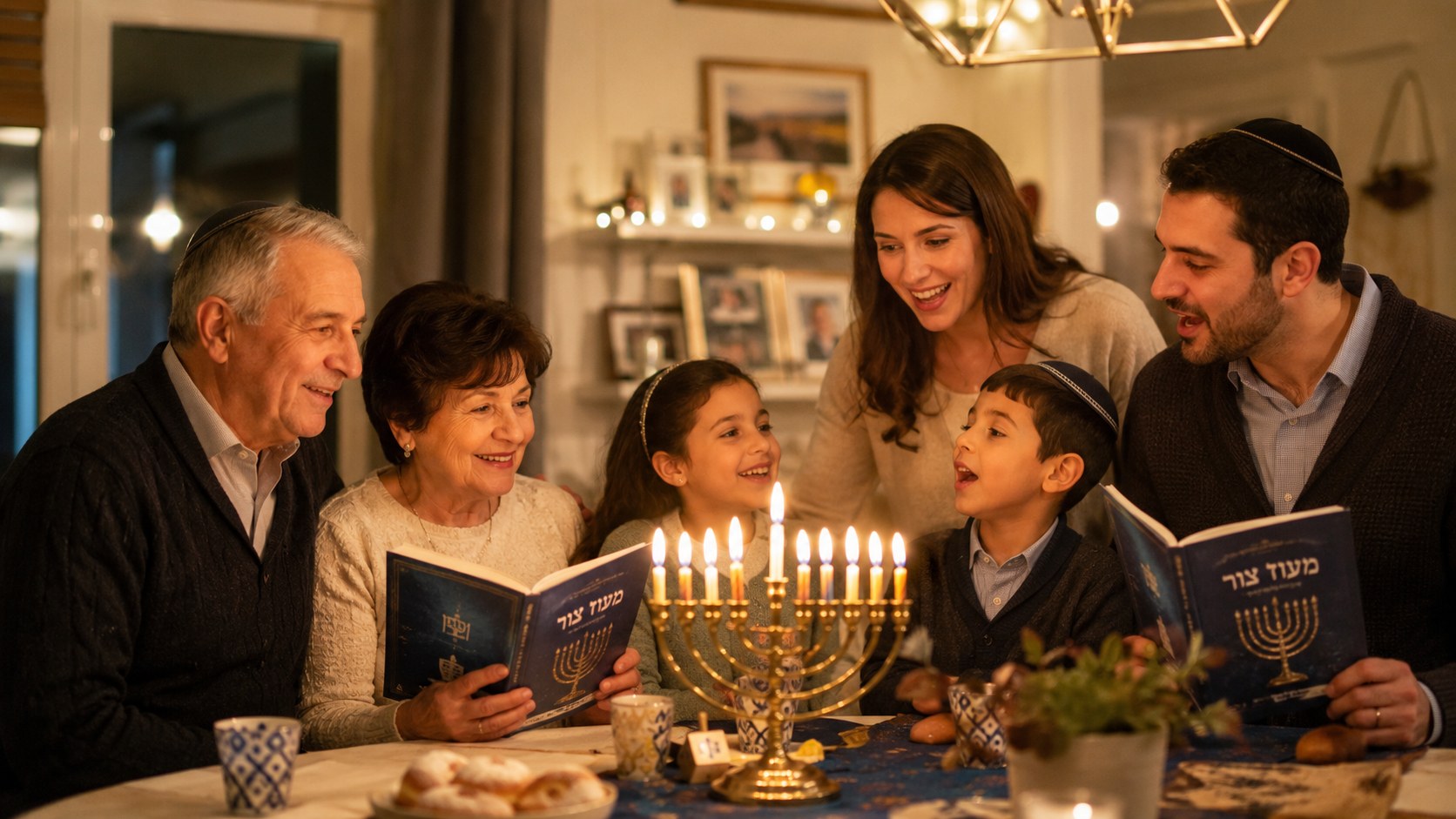
Traditional melodies such as “Maoz Tzur” and other Hanukkah favorites.
Exchanging Gifts
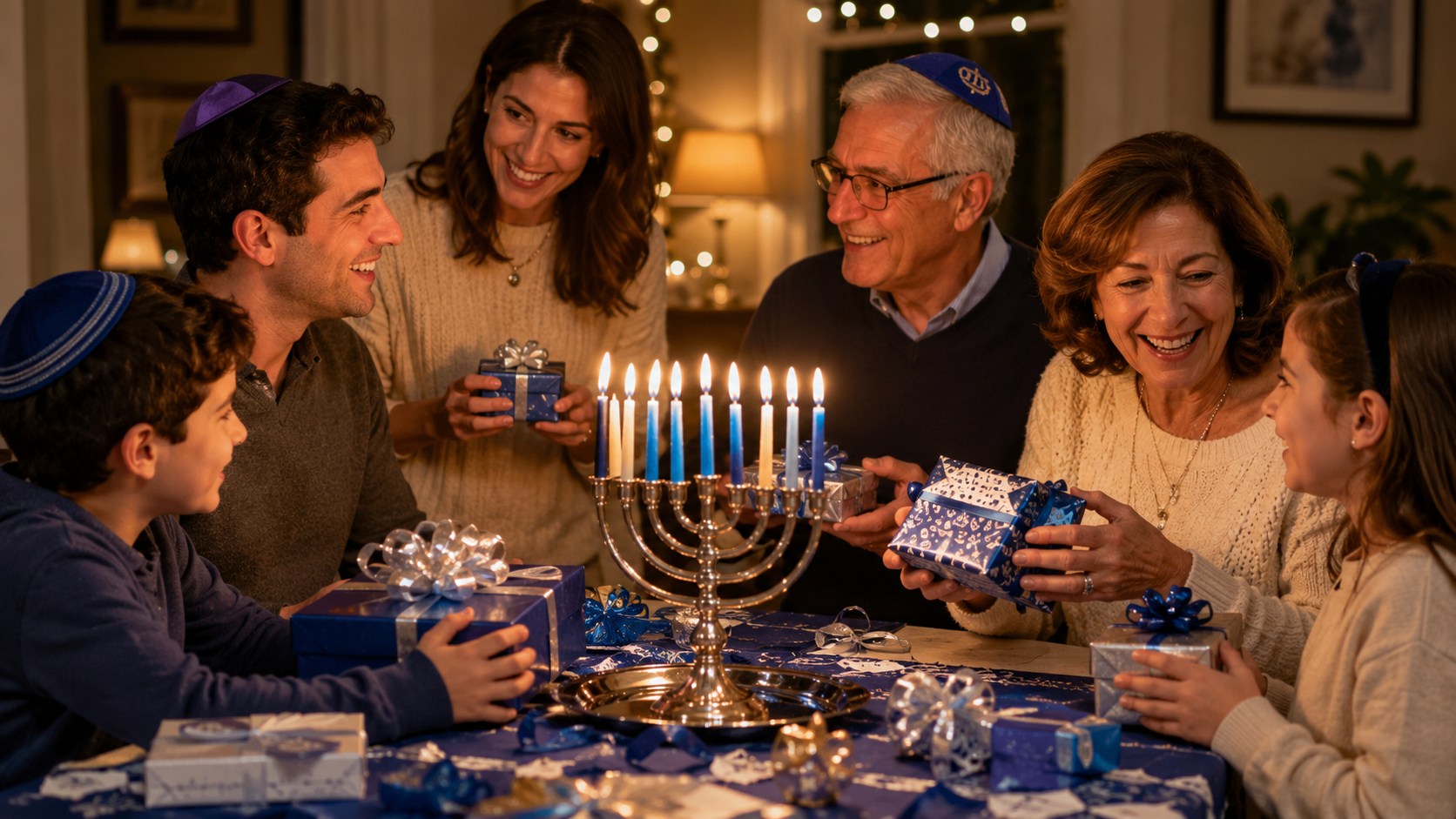
A cherished modern custom, often with a small gift given on each of the eight nights.
Gathering with Family
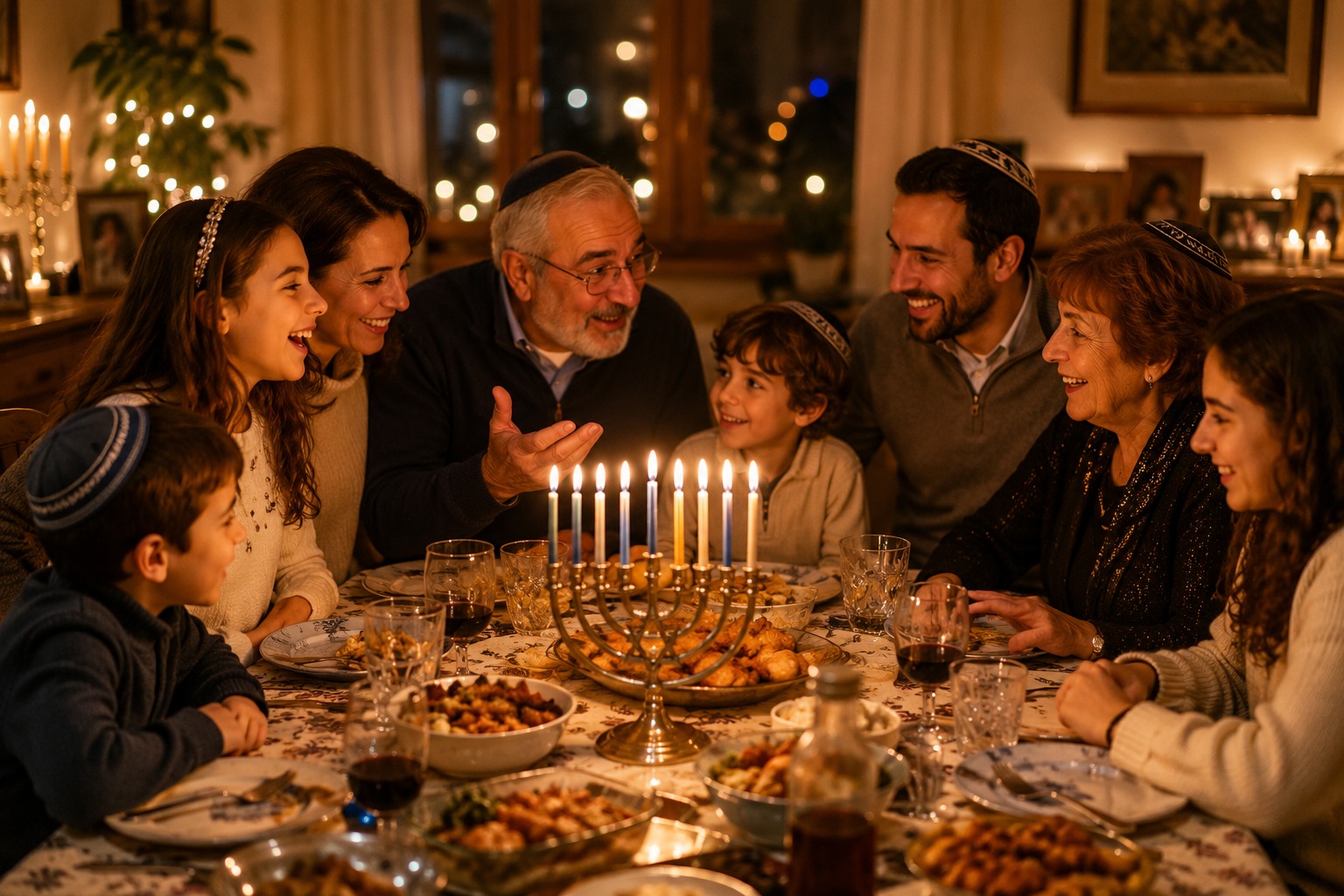
Sharing meals, stories, and the warm glow of the candles.
Traditional Hanukkah Foods
Because the Hanukkah story centers on the miracle of the oil, many traditional foods are fried in oil as a delicious way to remember it. These dishes are a highlight of the holiday for many families:
- Latkes: Crispy potato pancakes, often served with applesauce or sour cream.
- Sufganiyot: Jelly-filled doughnuts especially popular in Israel.
- Gelt: Chocolate coins enjoyed by children and adults alike.
- Fried treats: A variety of oil-based sweets and savory dishes served throughout the eight nights.
The Meaning of Hanukkah Today
While the historical story is about a military victory and a miracle of oil, the deeper meaning of Hanukkah resonates far beyond ancient events. It is a celebration of religious freedom, the courage to stand up for one’s beliefs, and the enduring power of hope. In a world that can often feel dark, the growing light of the menorah each night is a beautiful reminder that faith, perseverance, and community can overcome even the greatest challenges. For many families, Hanukkah is also a time to pass Jewish values and heritage on to the next generation.
Meaningful Hanukkah Gifts
Gift-giving has become a warm and meaningful part of modern Hanukkah celebrations. Whether you are shopping for a family member, a friend, or a host, thoughtful Judaica gifts can help make the festival even more special. Some wonderful ideas include:
- A beautiful menorah: A centerpiece the whole family can use for years to come.
- Hanukkah candles: Colorful or hand-dipped candles to light each night.
- A decorative dreidel: A keepsake version of the classic game.
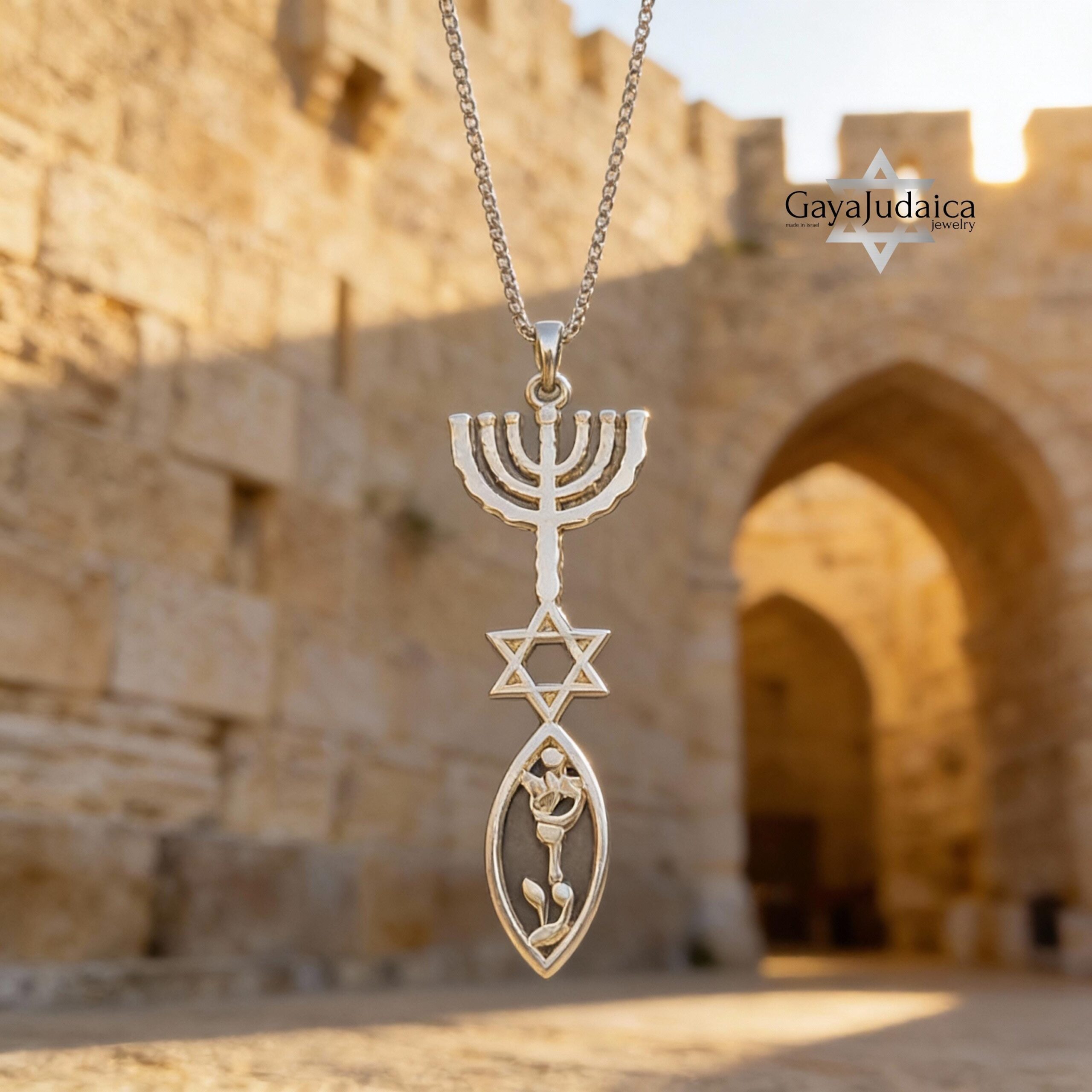
- Jewish jewelry: A meaningful pendant or piece that celebrates faith and heritage all year round, such as a Sterling Silver Menorah Necklace or a 14K Gold Hanukkah Menorah Pendant.
- Gift sets for children: Gelt, books, and small toys to make the holiday magical for little ones.
Frequently Asked Questions About Hanukkah
What does Hanukkah celebrate?
Hanukkah celebrates the rededication of the Second Temple in Jerusalem after the Maccabees reclaimed it, along with the miracle of a single jar of oil that burned for eight days. It is a festival of religious freedom, faith, and light.
Why is Hanukkah celebrated for eight days?
Hanukkah lasts eight days to commemorate the miracle of the oil, when a one-day supply of oil in the Temple menorah burned for eight days until more could be prepared.
What is the shamash on the menorah?
The shamash is the “helper” candle on the menorah. It sits apart from the other eight candles and is used to light them each night, since the Hanukkah candles themselves are meant only for displaying the light.
Why do we eat fried foods on Hanukkah?
Fried foods such as latkes and sufganiyot are eaten to remember the miracle of the oil that burned for eight days. The oil used in cooking symbolically connects the meal to the heart of the Hanukkah story.
Is Hanukkah the most important Jewish holiday?
Although Hanukkah is very well known, it is not considered one of the holiest days in Judaism. Holidays such as Rosh Hashanah, Yom Kippur, and Passover carry greater religious significance, but Hanukkah remains a deeply cherished and joyful celebration.
What are good Hanukkah gifts?
Meaningful Hanukkah gifts include a beautiful menorah, Hanukkah candles, a decorative dreidel, Jewish jewelry, and festive gift sets for children with gelt, books, and small toys.