Made in Jerusalem

Fast Shipping

Made to Order

Secure Payment
🚚Fast Shipping
🔒 Secure Payment
🇮🇱 Made in Jerusalem

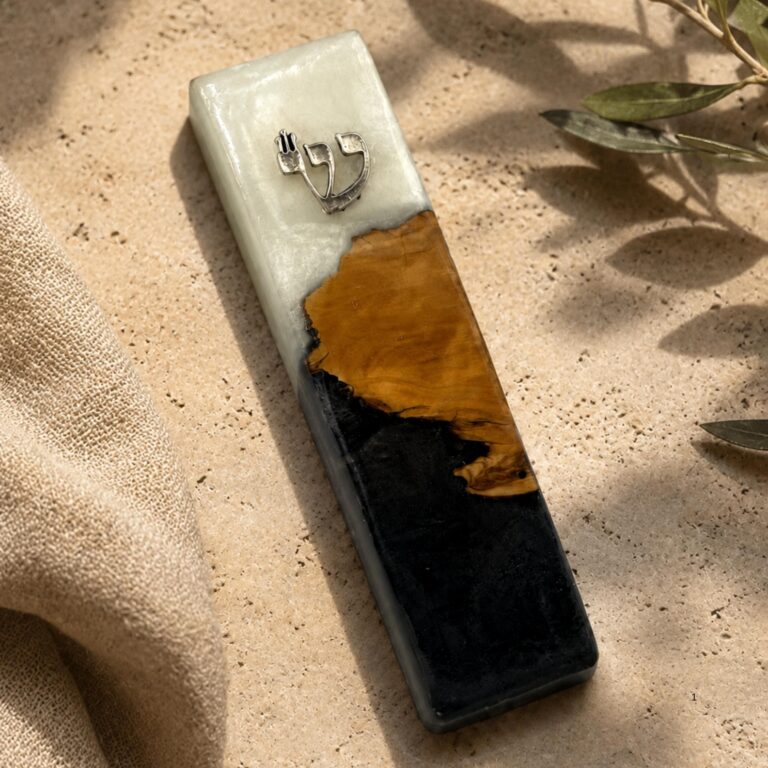
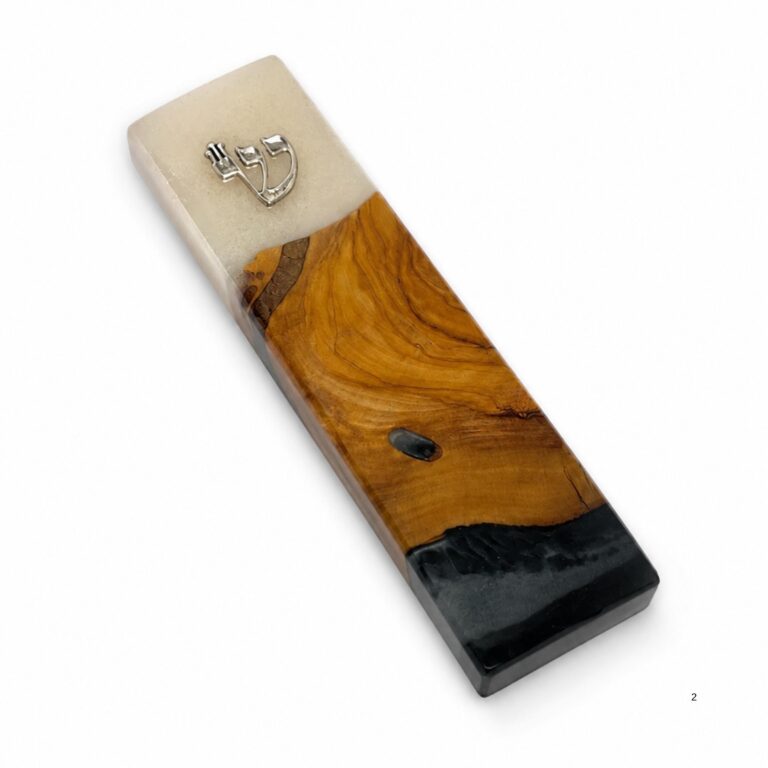
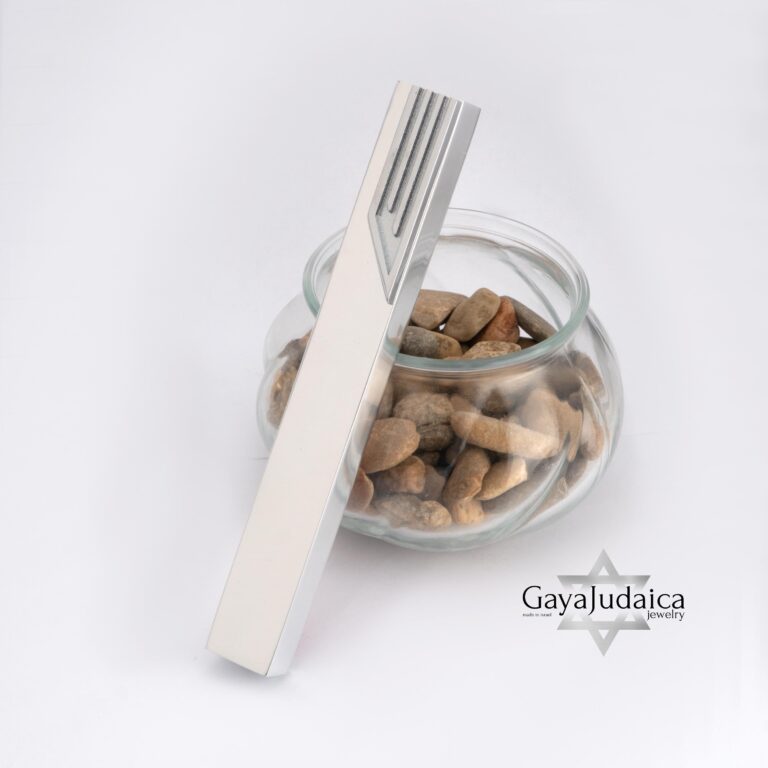
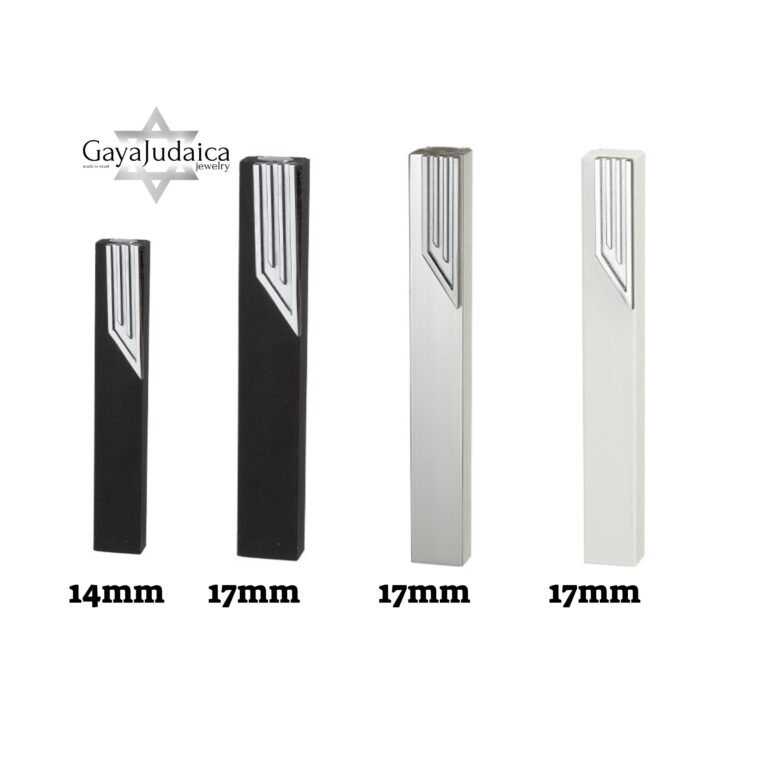
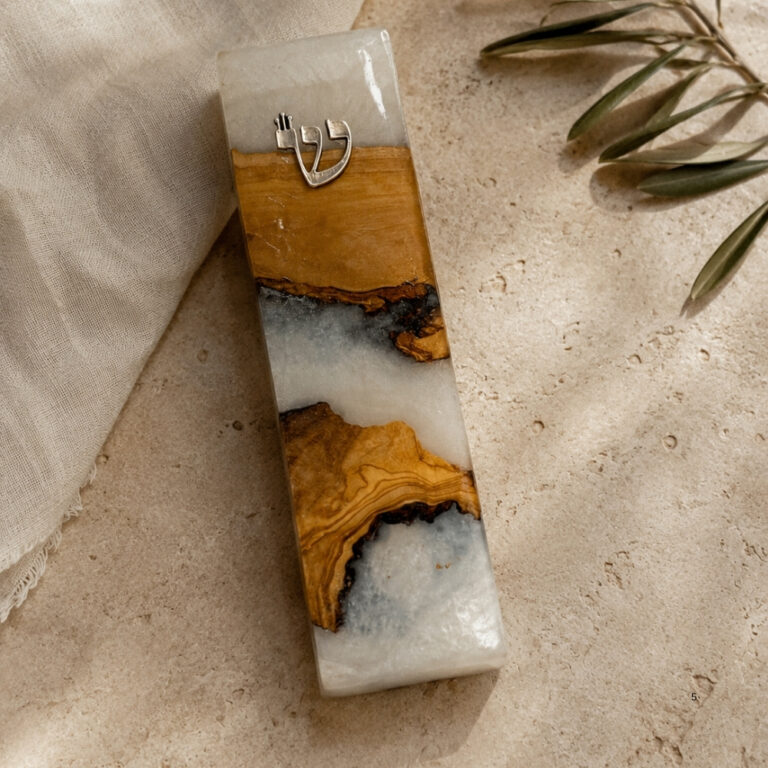
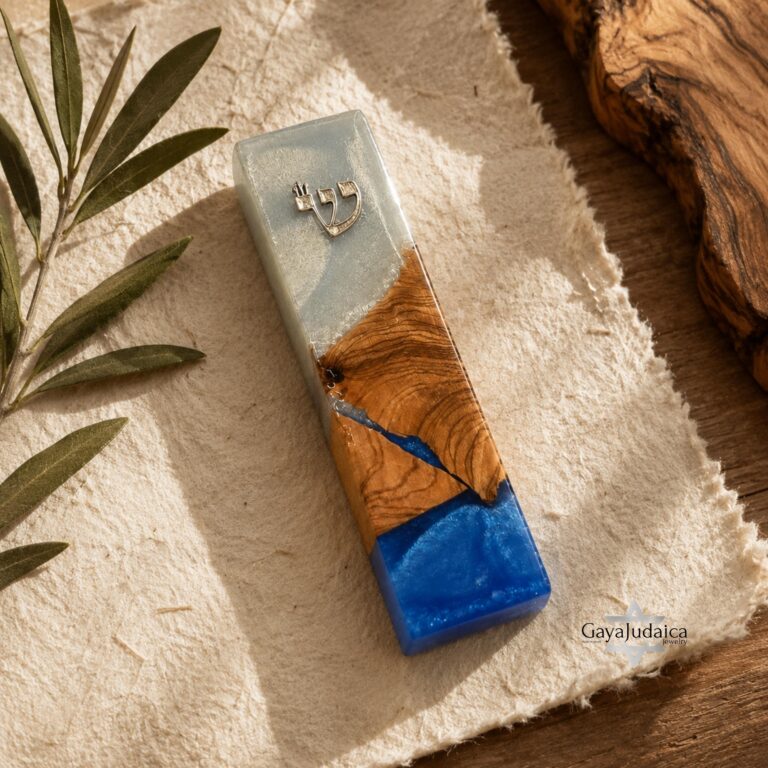
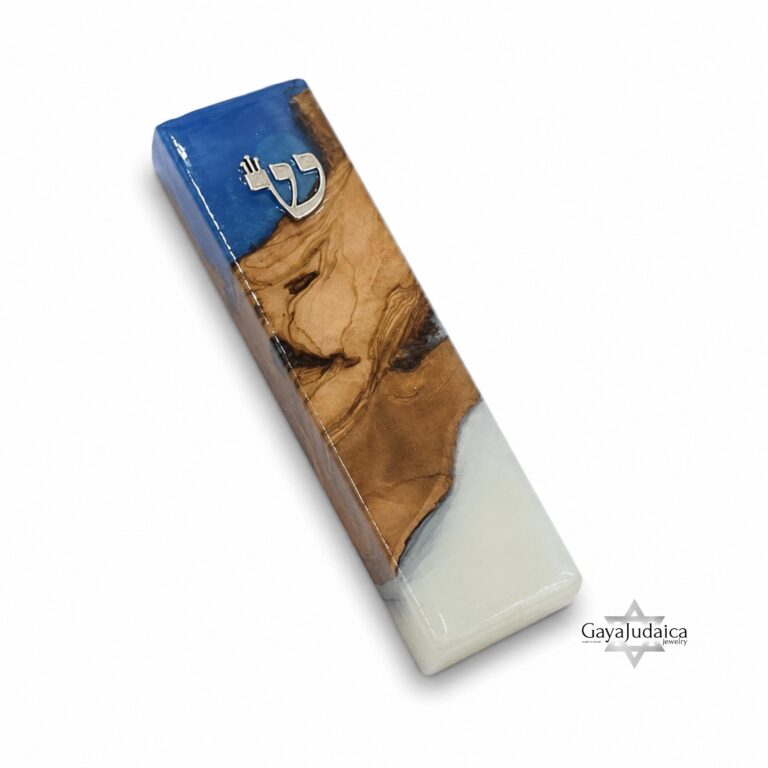
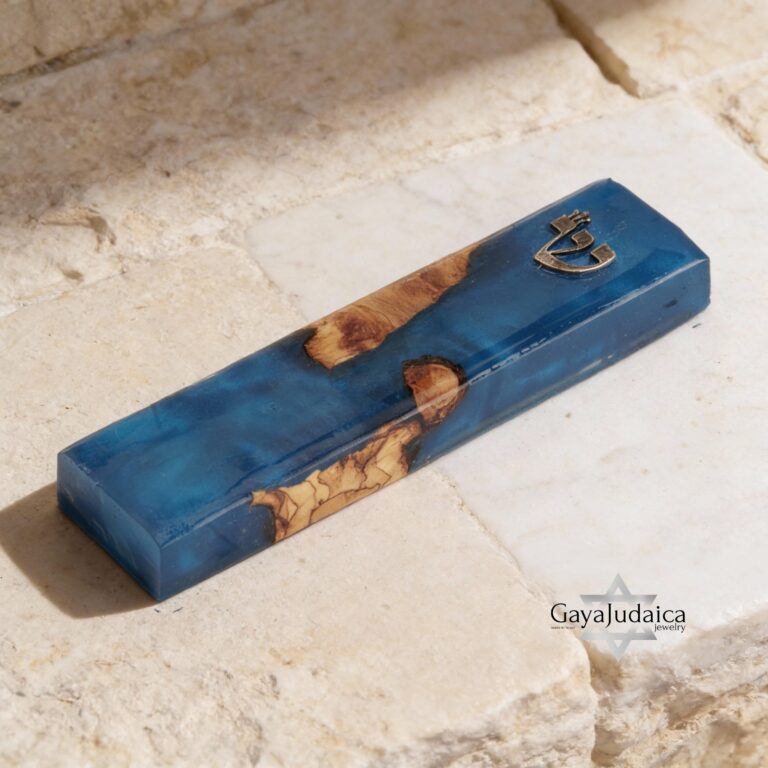
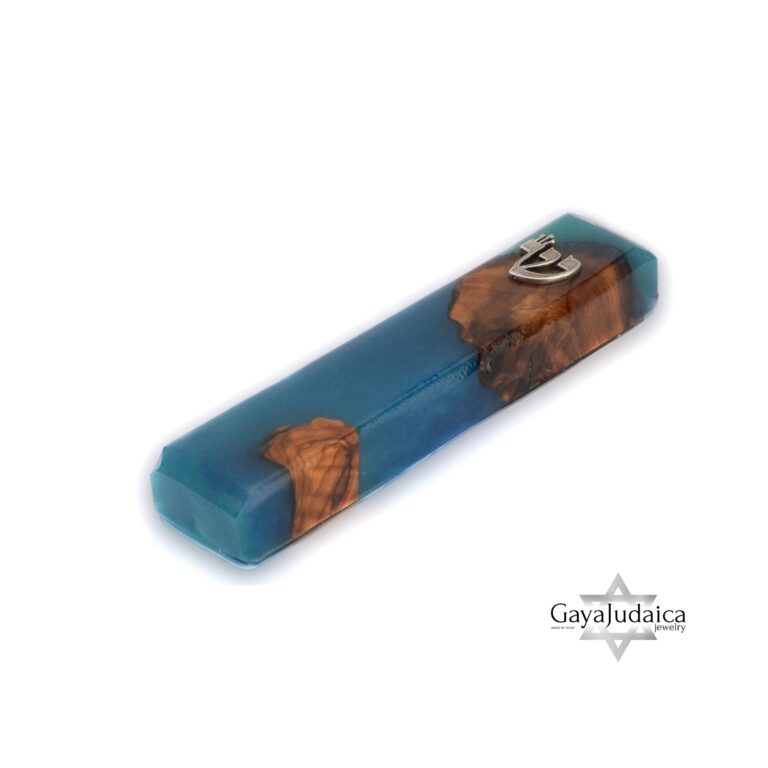
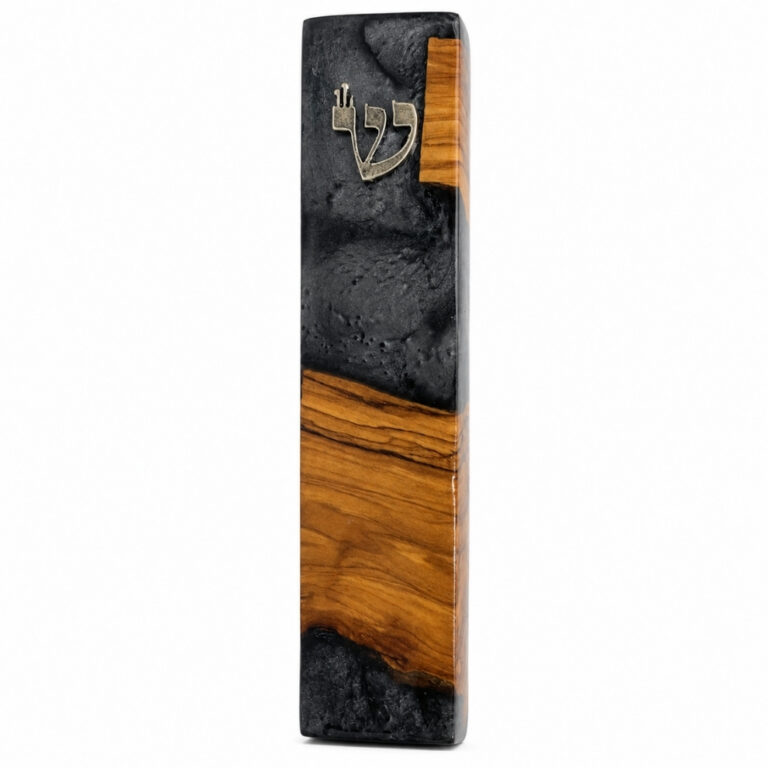
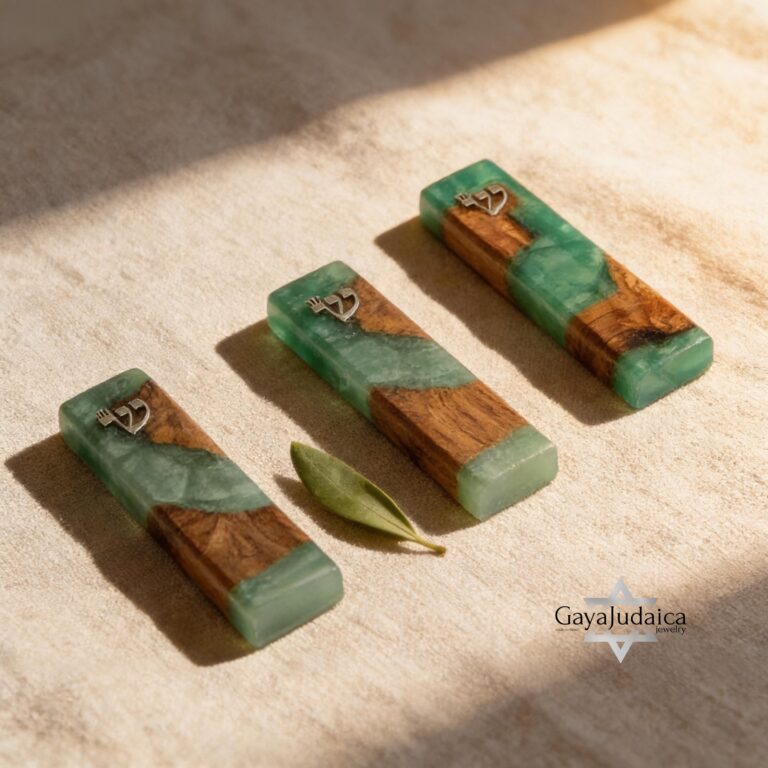
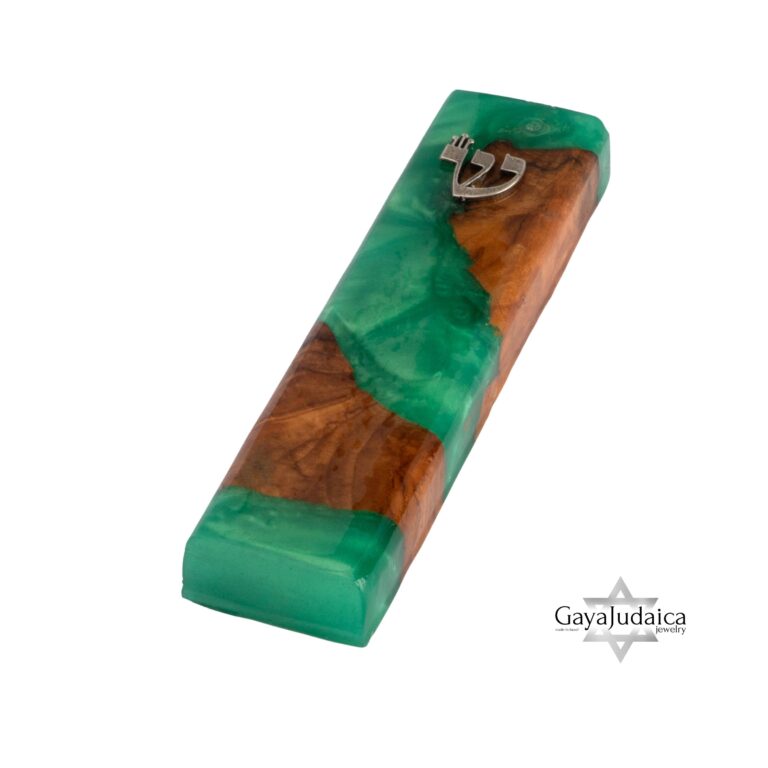
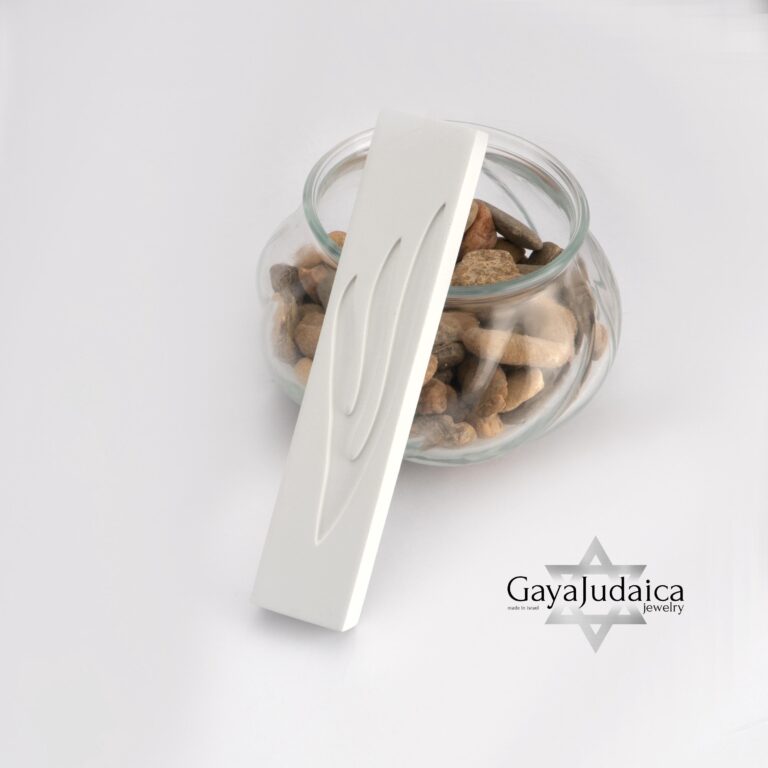
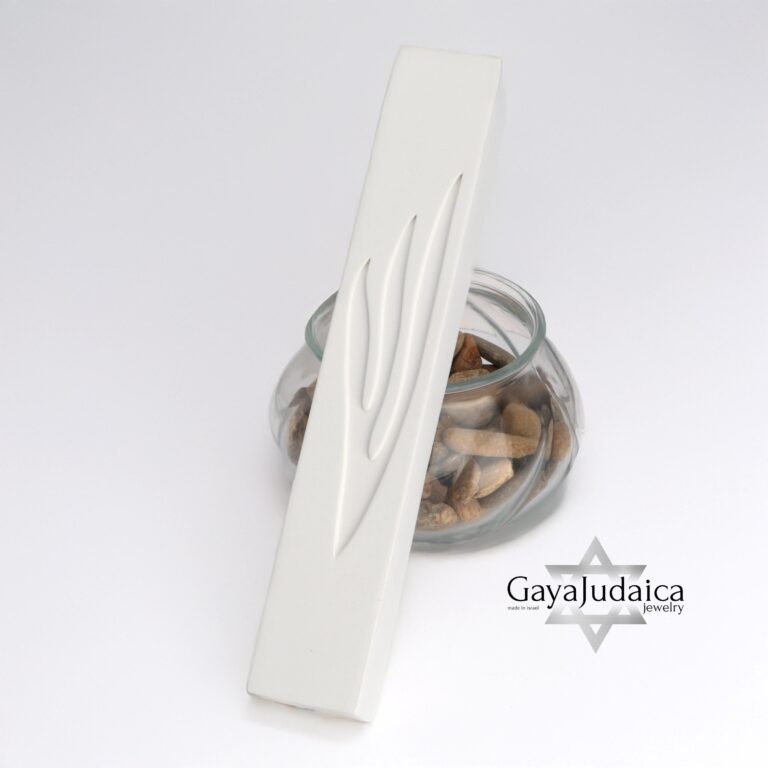
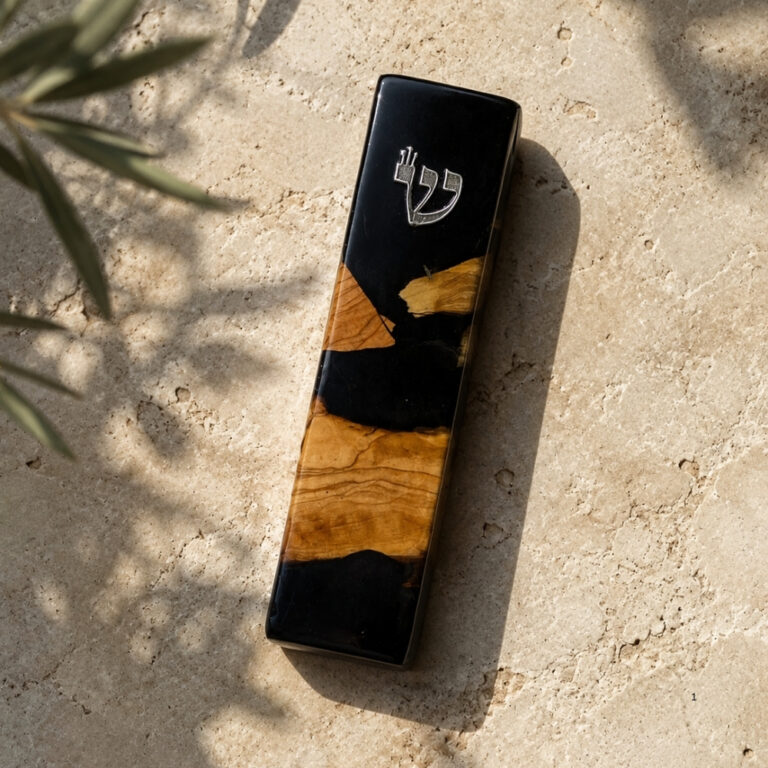
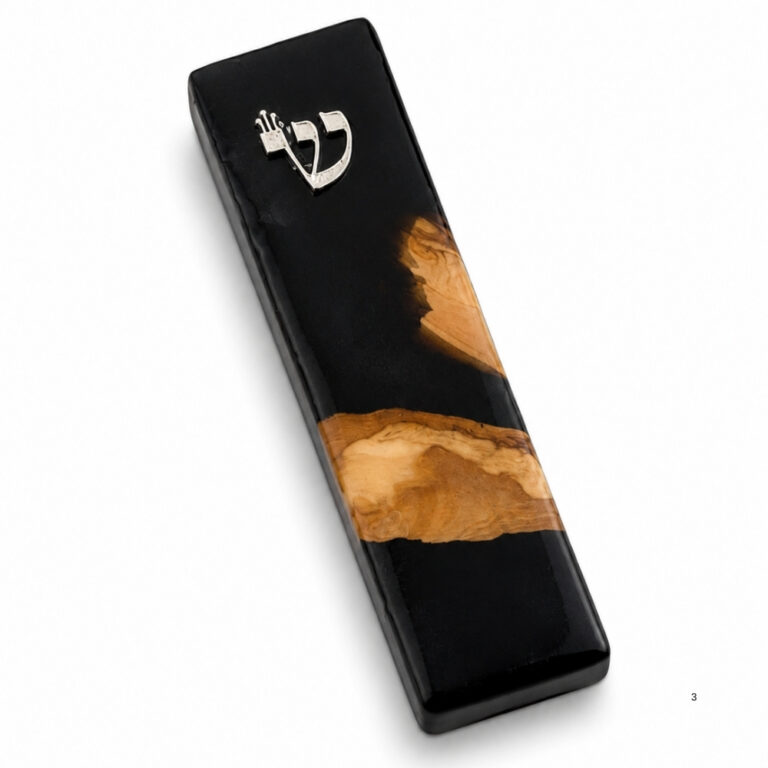
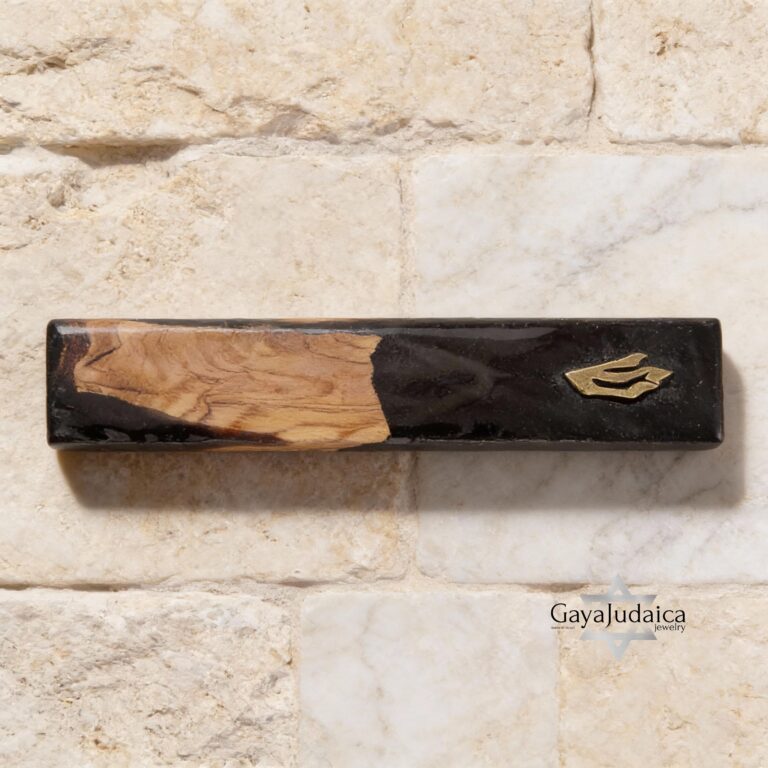
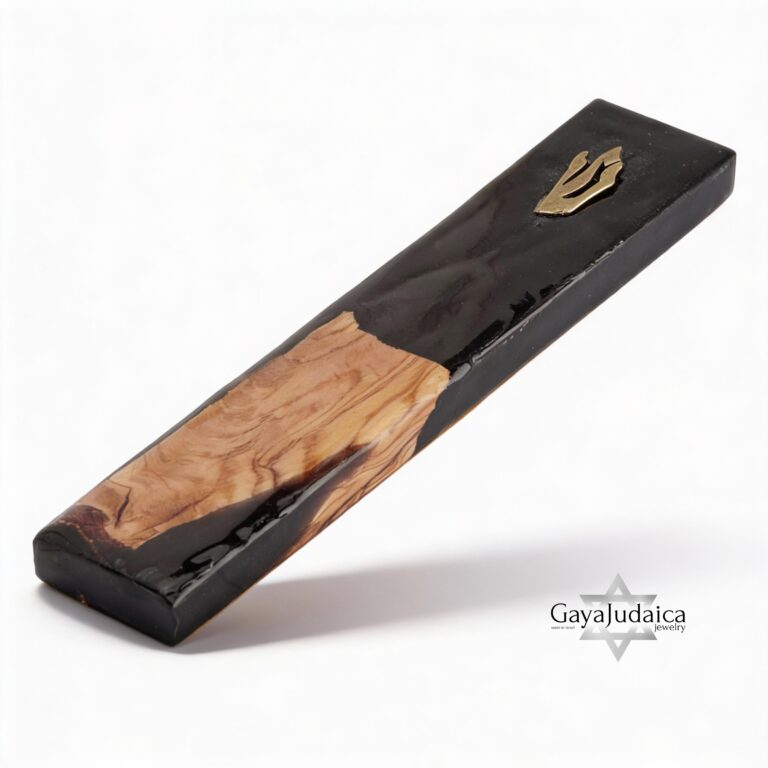
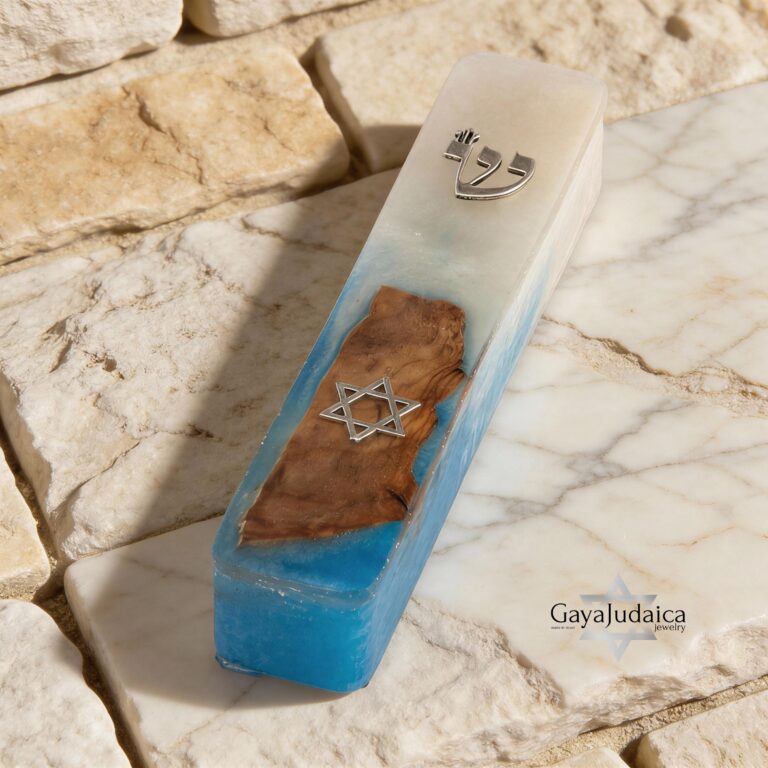
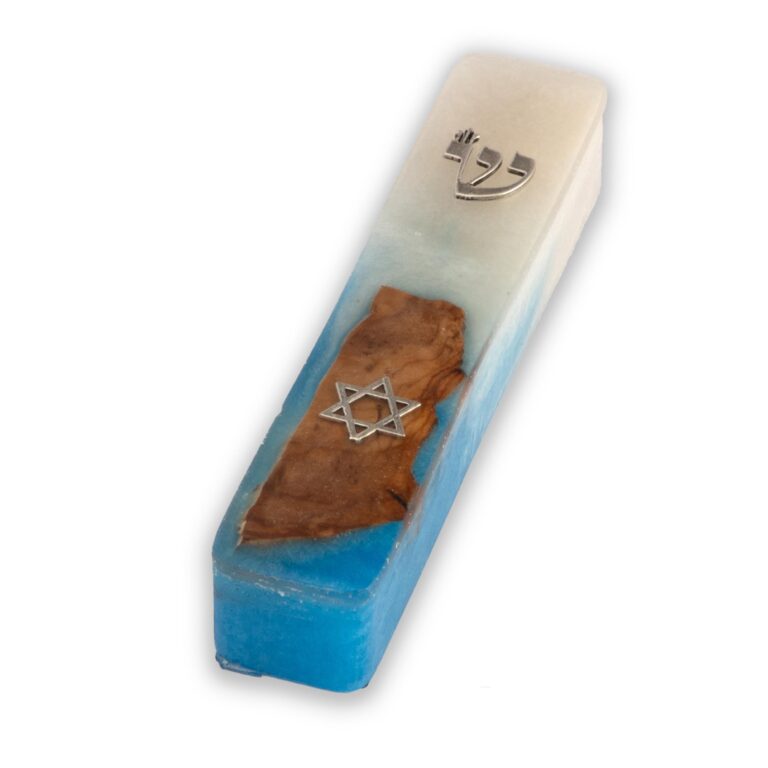
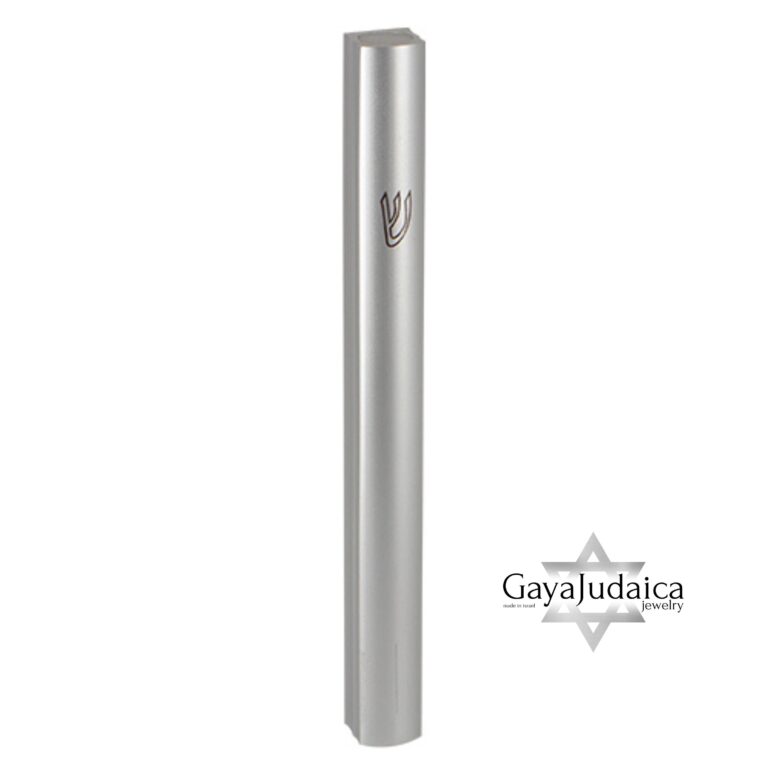
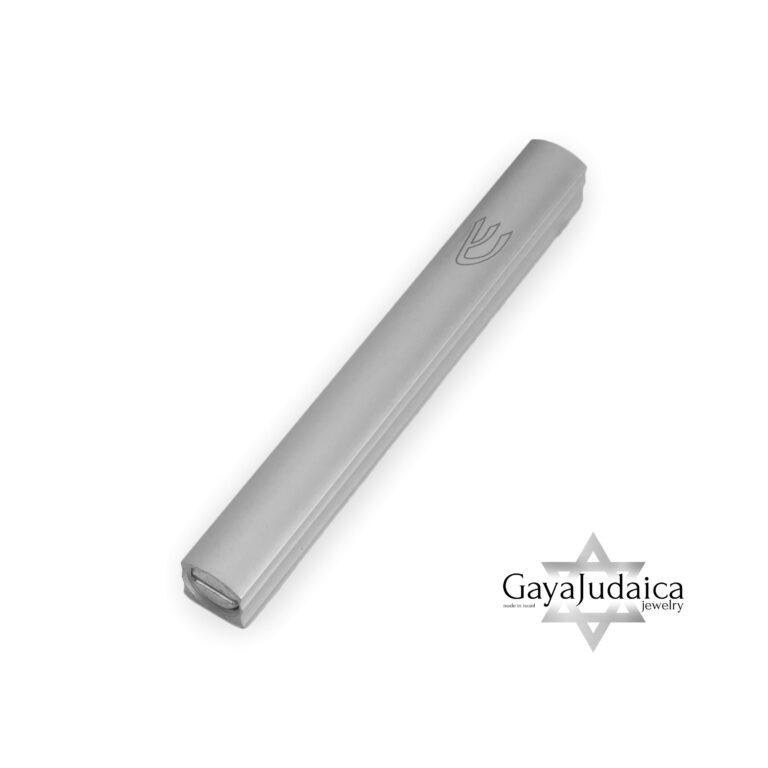
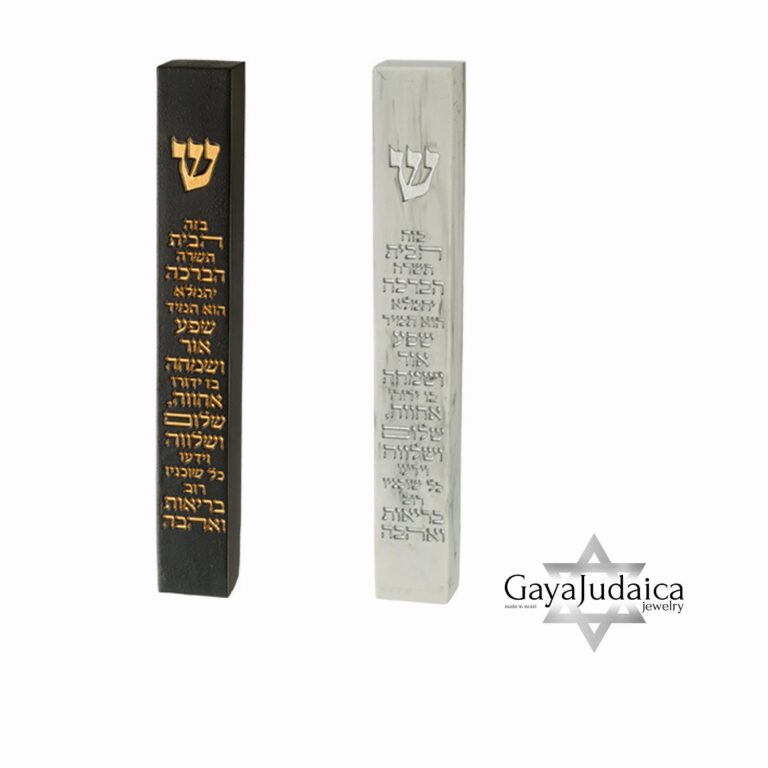
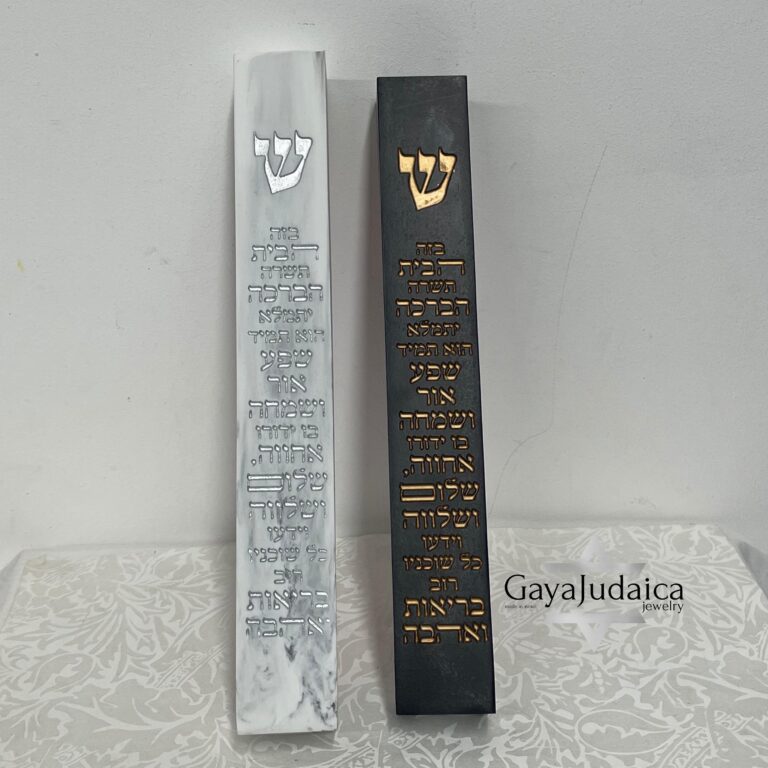
Mezuzah Cases — Modern Jewish Home DecorOur Mezuzah Cases collection brings modern, handcrafted designs to a sacred Jewish tradition. Each mezuzah case is made in Israel and designed to protect your scroll while honoring your doorway.Available in aluminum, wood, and acrylic finishes; pick the size and color that fits your home — medium 14mm and large 17mm sizes, with black, gray, and white color options. Pair with our Judaica Jewelry and home blessing pieces for a coordinated Jewish home.Browse more Judaica Jewelry — perfect for housewarming, new-home, Bar/Bat Mitzvah, and wedding gifts.
A mezuzah is a small case fixed to the doorpost of a Jewish home. Inside it is a rolled parchment scroll, called a klaf, handwritten by a trained scribe with passages from the Torah. The case protects the scroll and marks the doorway. In everyday speech people use the word mezuzah for the case, the scroll, or both together.
Inside is the klaf, a parchment scroll hand-written in Hebrew by a qualified scribe. It carries two passages from Deuteronomy, beginning with the Shema, the declaration that opens Hear O Israel. The scroll is what carries the religious significance, and it is rolled and placed inside the case.
No. Our mezuzah cases are sold as cases only, and the klaf is sold separately. This is standard for decorative mezuzah cases, because a kosher scroll must be hand-written by a certified scribe and is usually bought from a scribe or a specialist dealer who can verify it.
A mezuzah is fixed to the right-hand doorpost as you enter the room or building. Ashkenazi custom is to angle it so the top tilts inward, toward the room being entered, while Sephardi custom is generally to fix it upright. For questions about a specific doorway, a rabbi is the right person to ask.
The usual practice is to place it in the lower part of the upper third of the doorpost, roughly at shoulder height for most adults, and within a hand's breadth of the outer edge of the doorway. Customs vary, so check with your rabbi if you want to be precise.
Most doorways of a home traditionally require one, not just the front door, which is why many households need several. Rooms that are not used for living, such as bathrooms, are generally excluded, and small spaces like closets depend on their size and use. Practice varies between communities, so a rabbi can advise on your particular home.
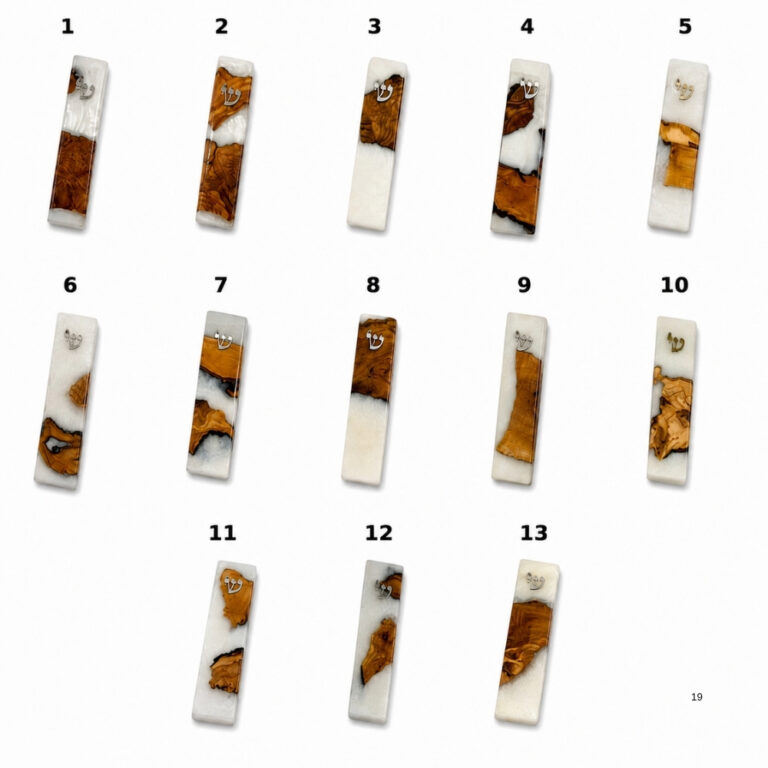
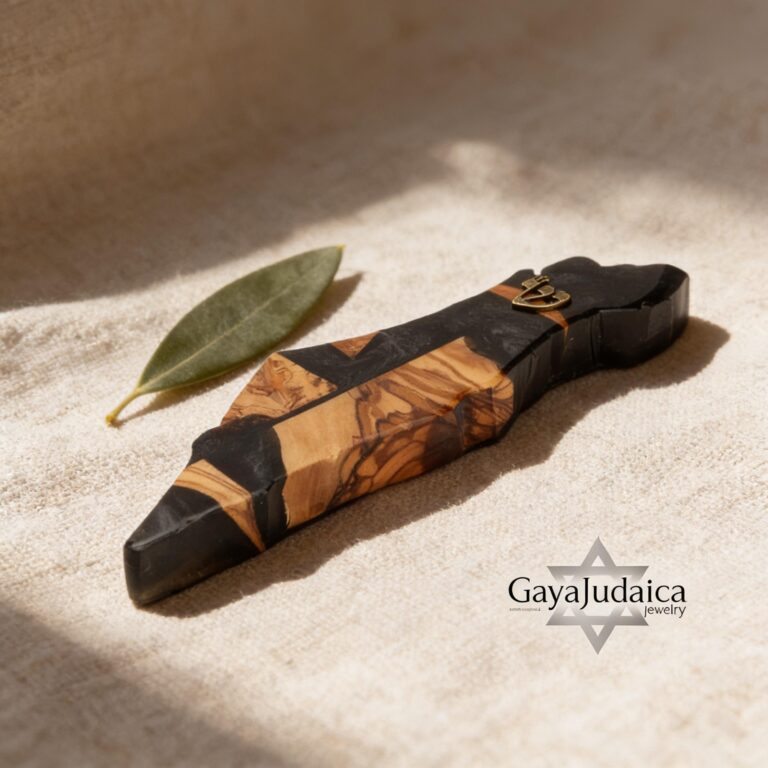
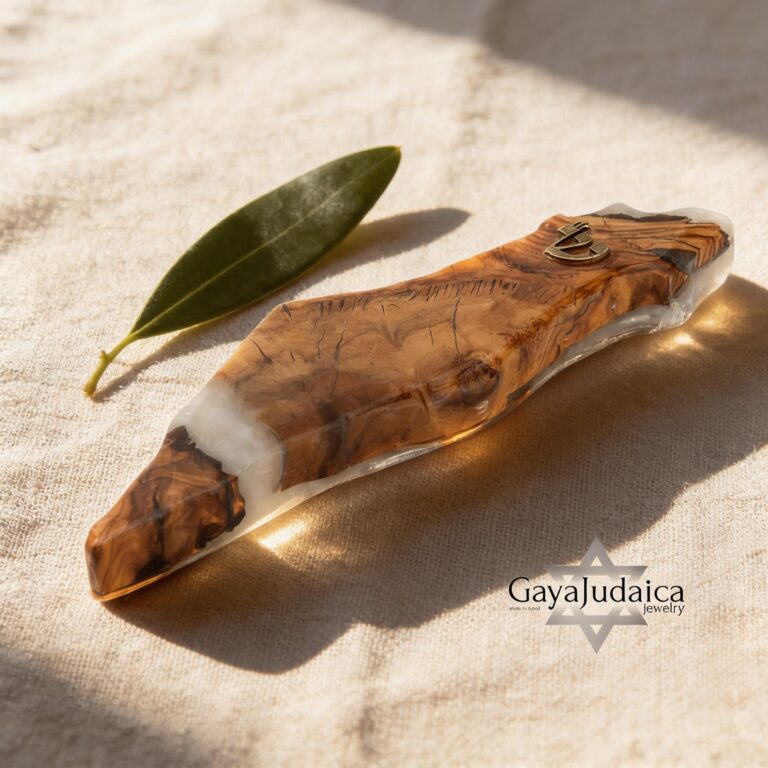
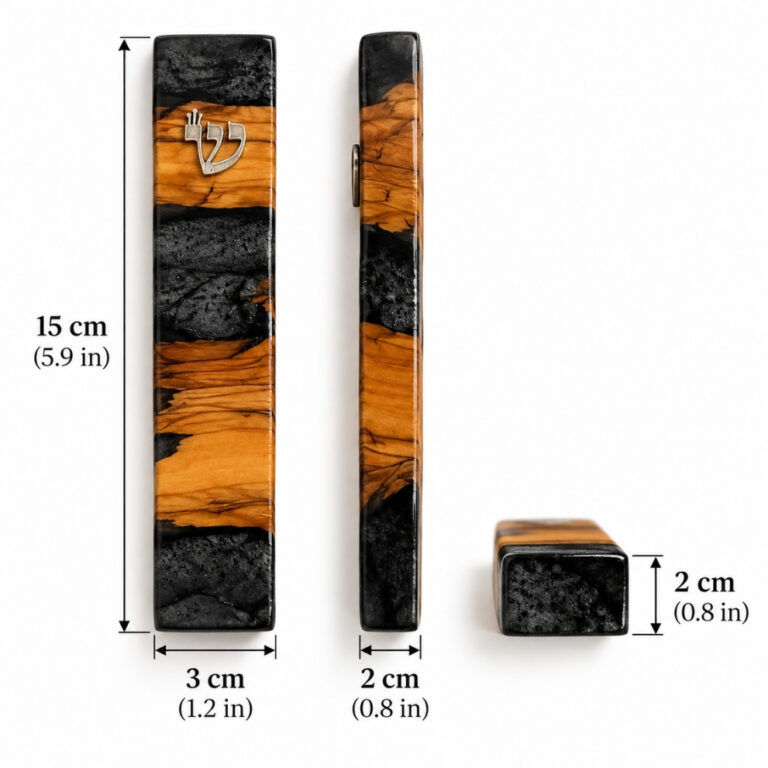
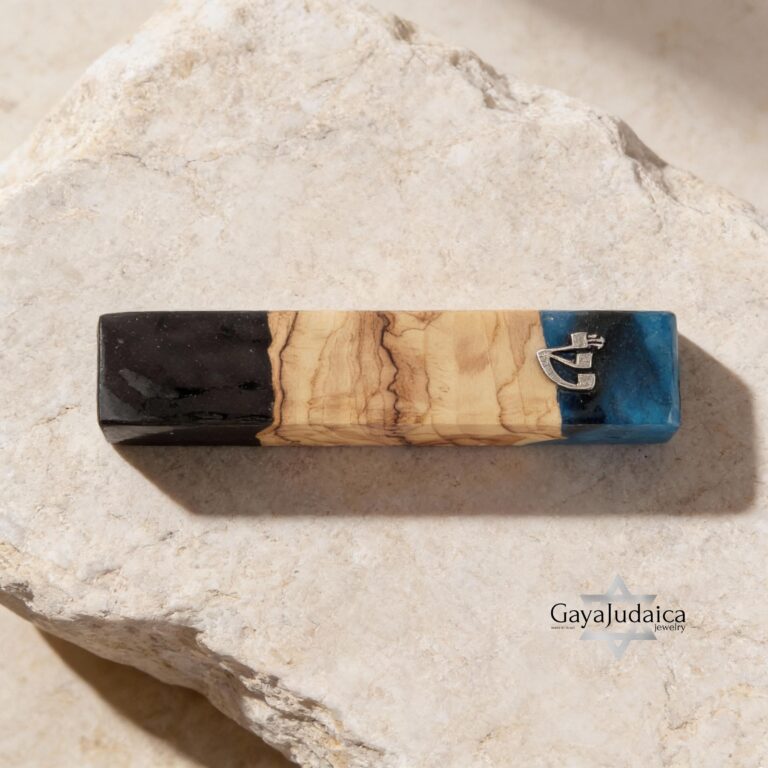
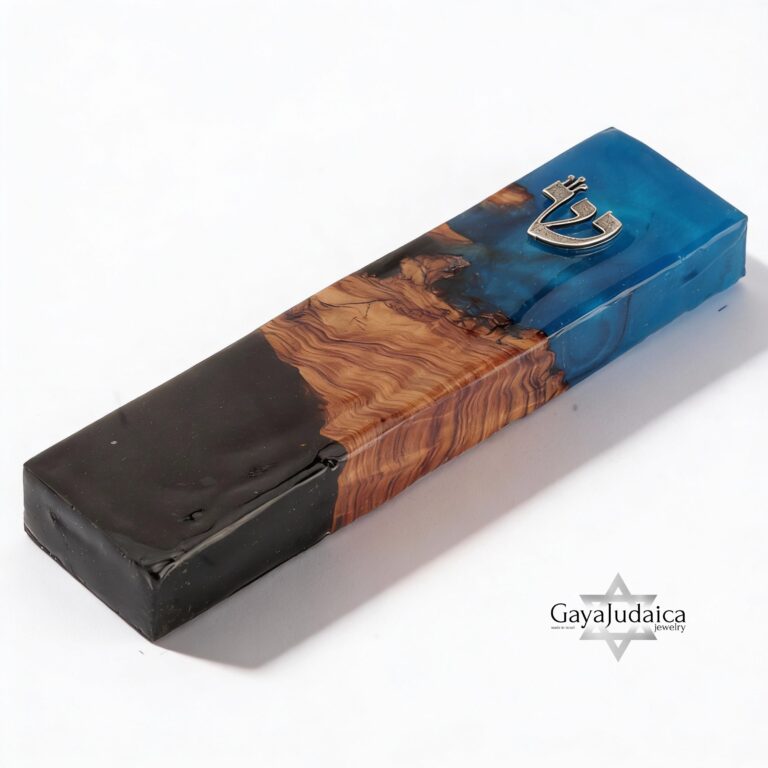
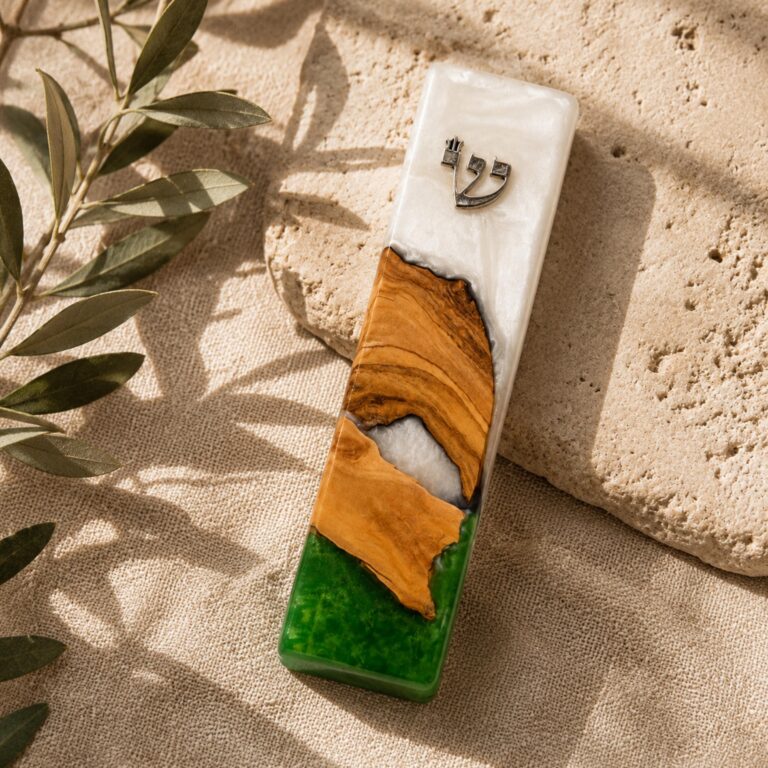
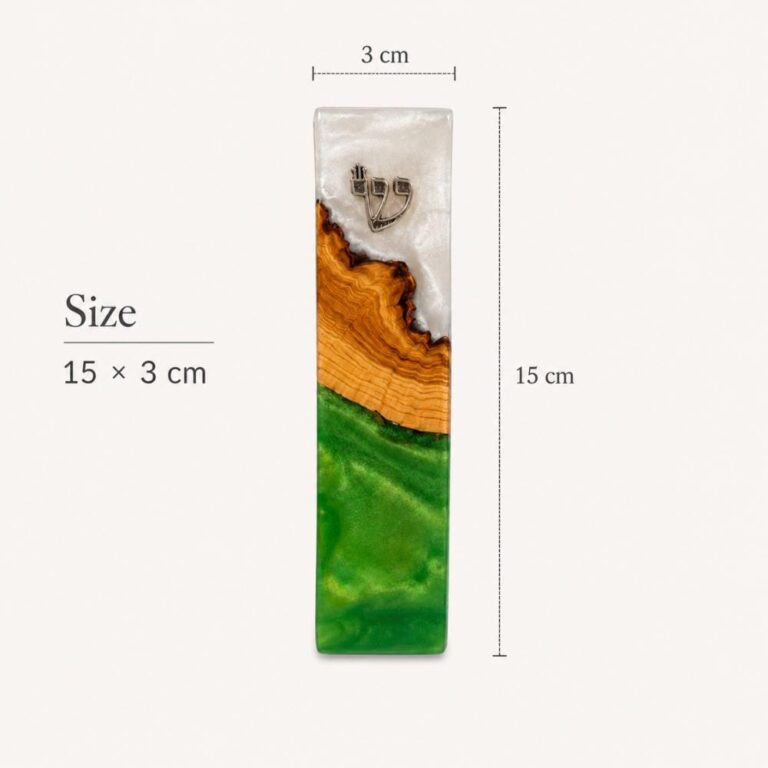
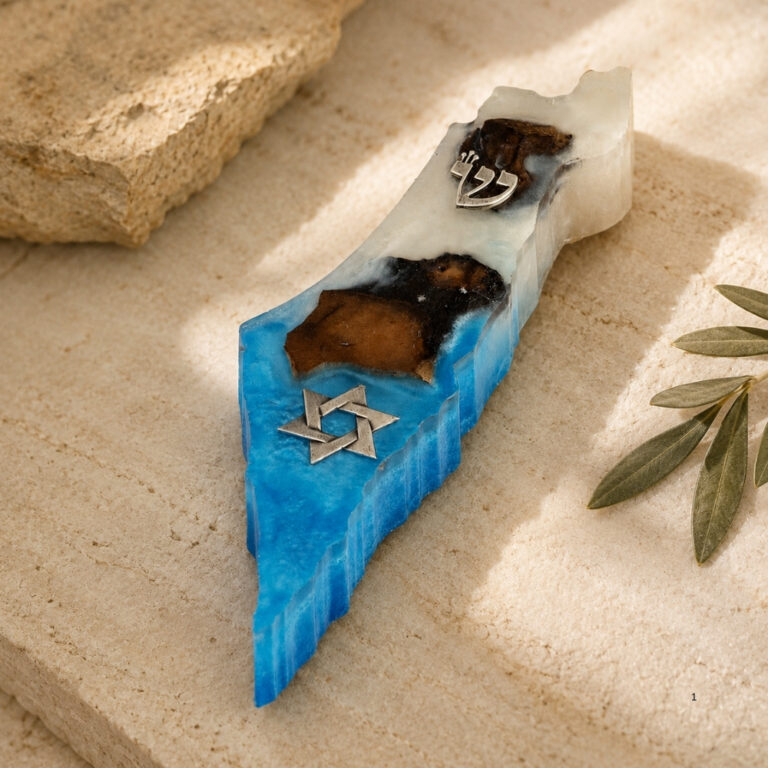
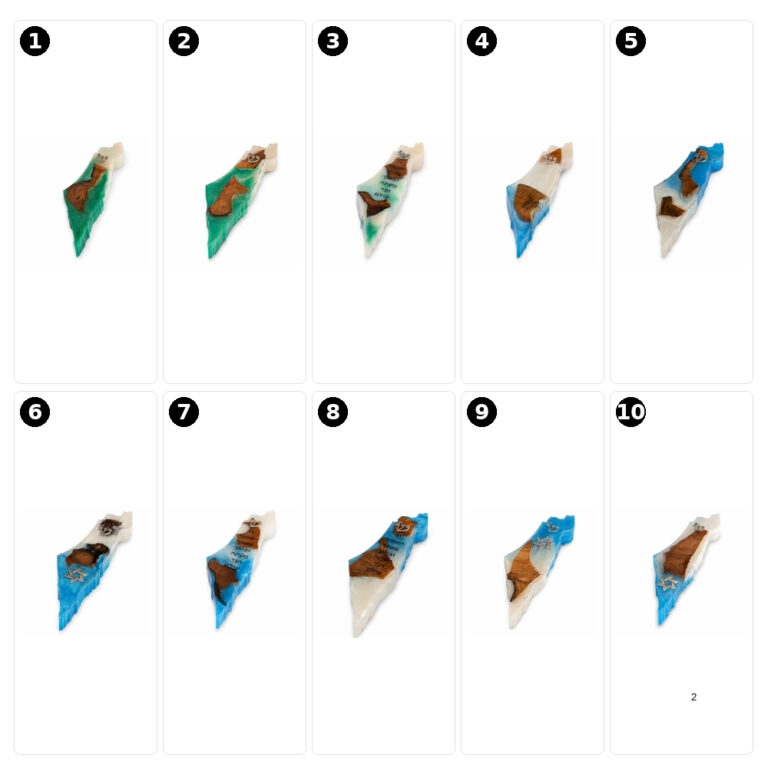
Each case is made in Israel and available in aluminum, wood, and acrylic finishes, including hand-turned olive wood pieces that are one of a kind. Cases come in medium, fitting a 14mm scroll, and large, fitting a 17mm scroll, with black, gray, and white color options. Check your scroll size before ordering, since the scroll must fit the case.